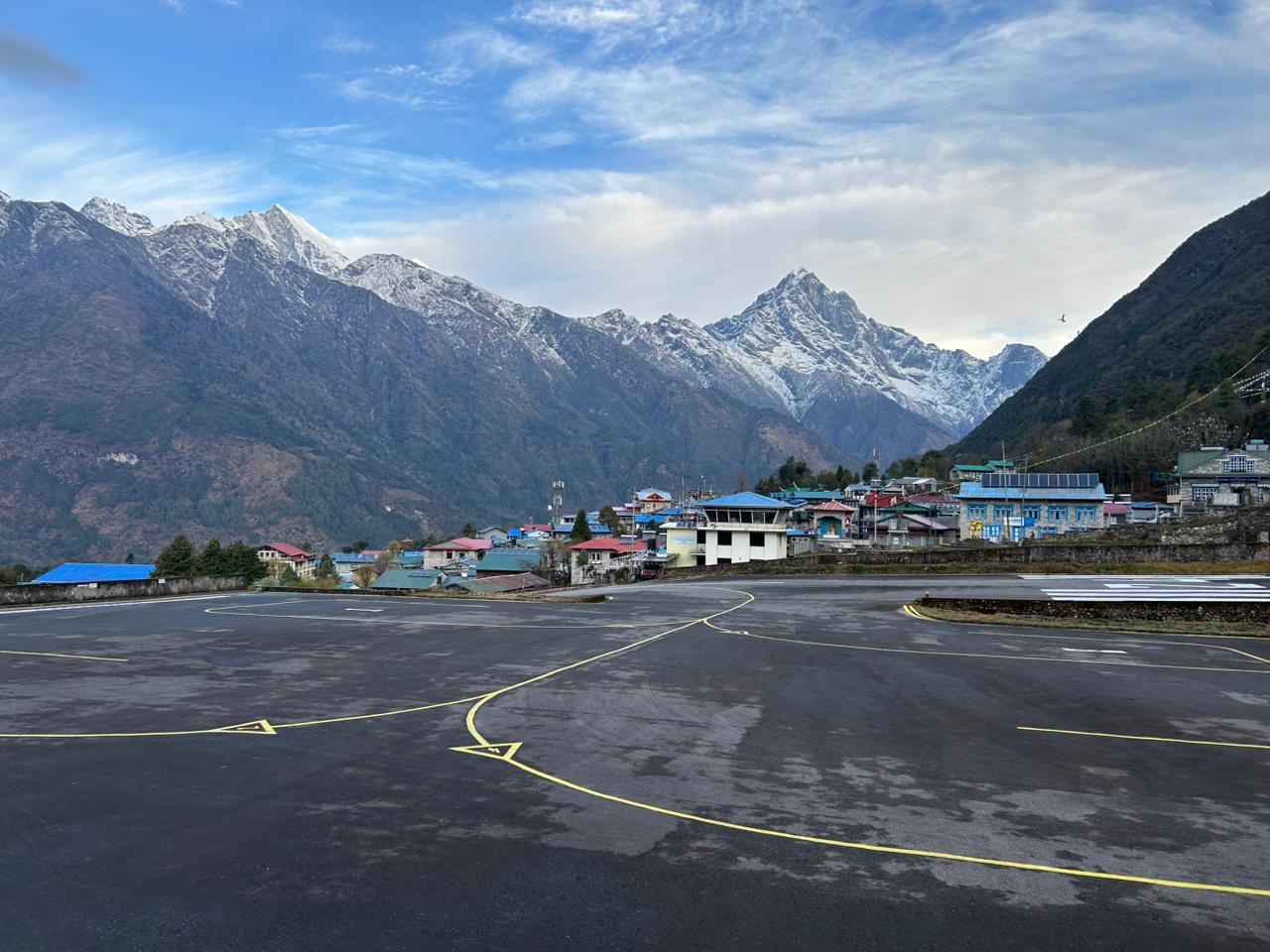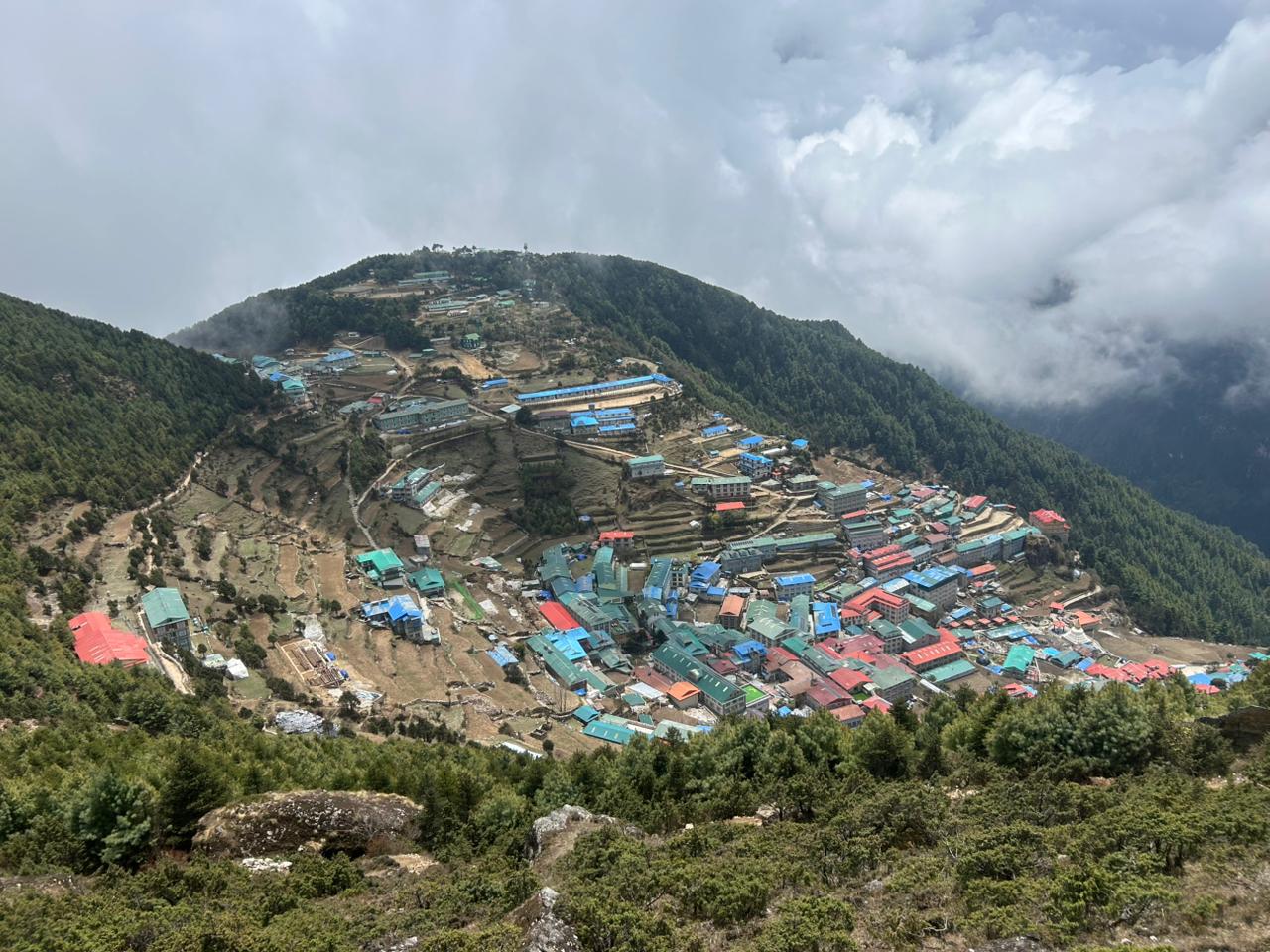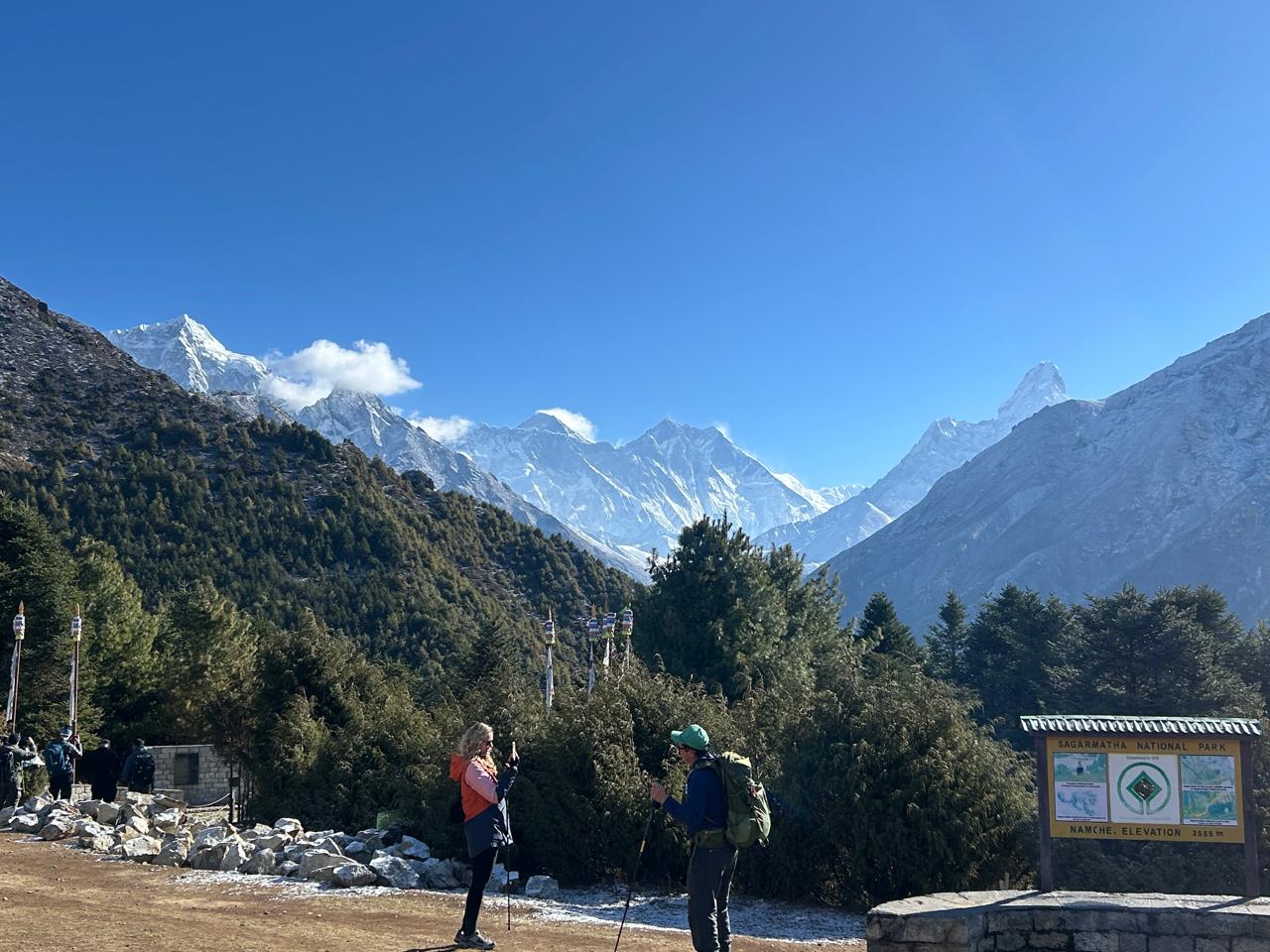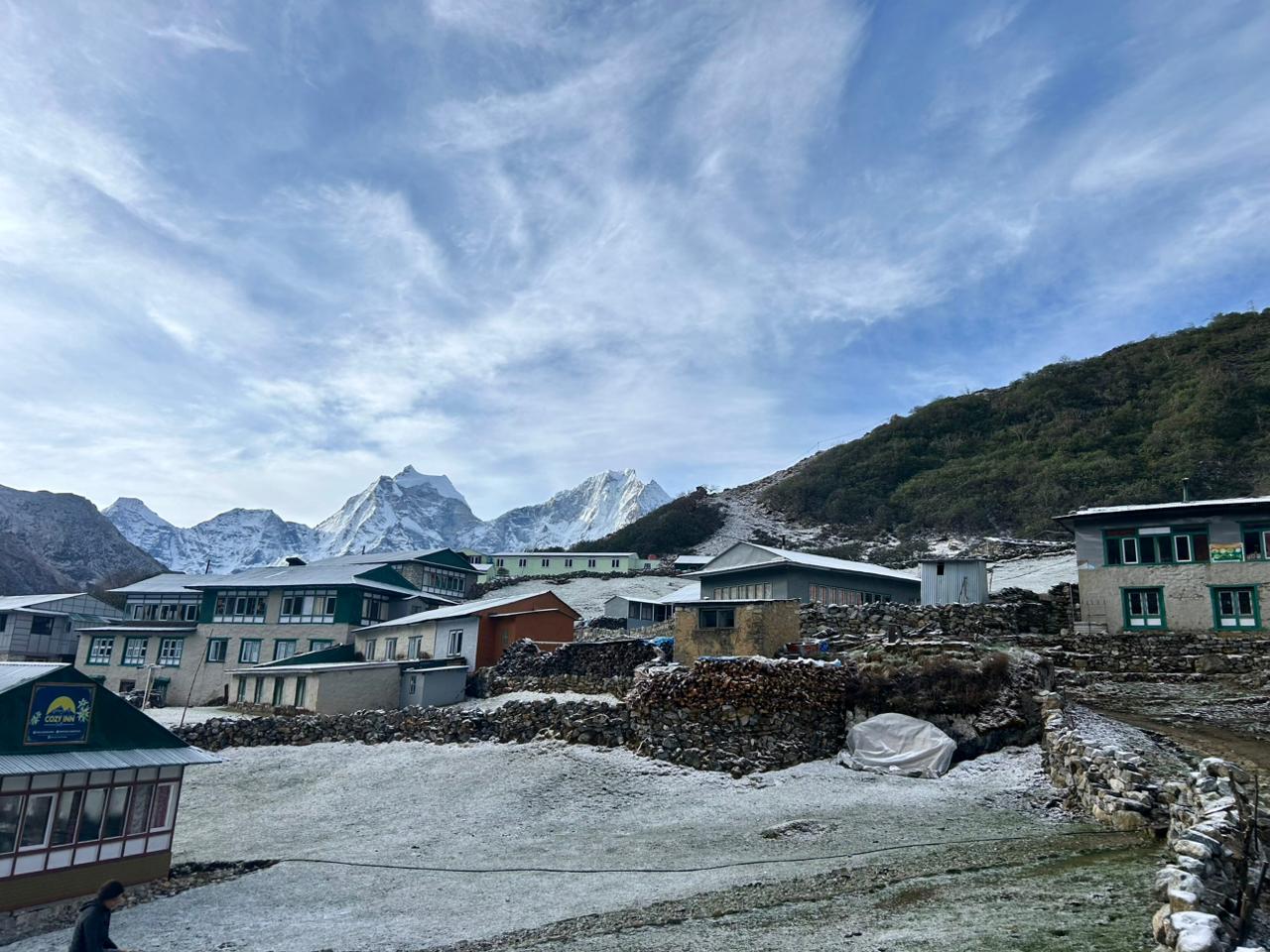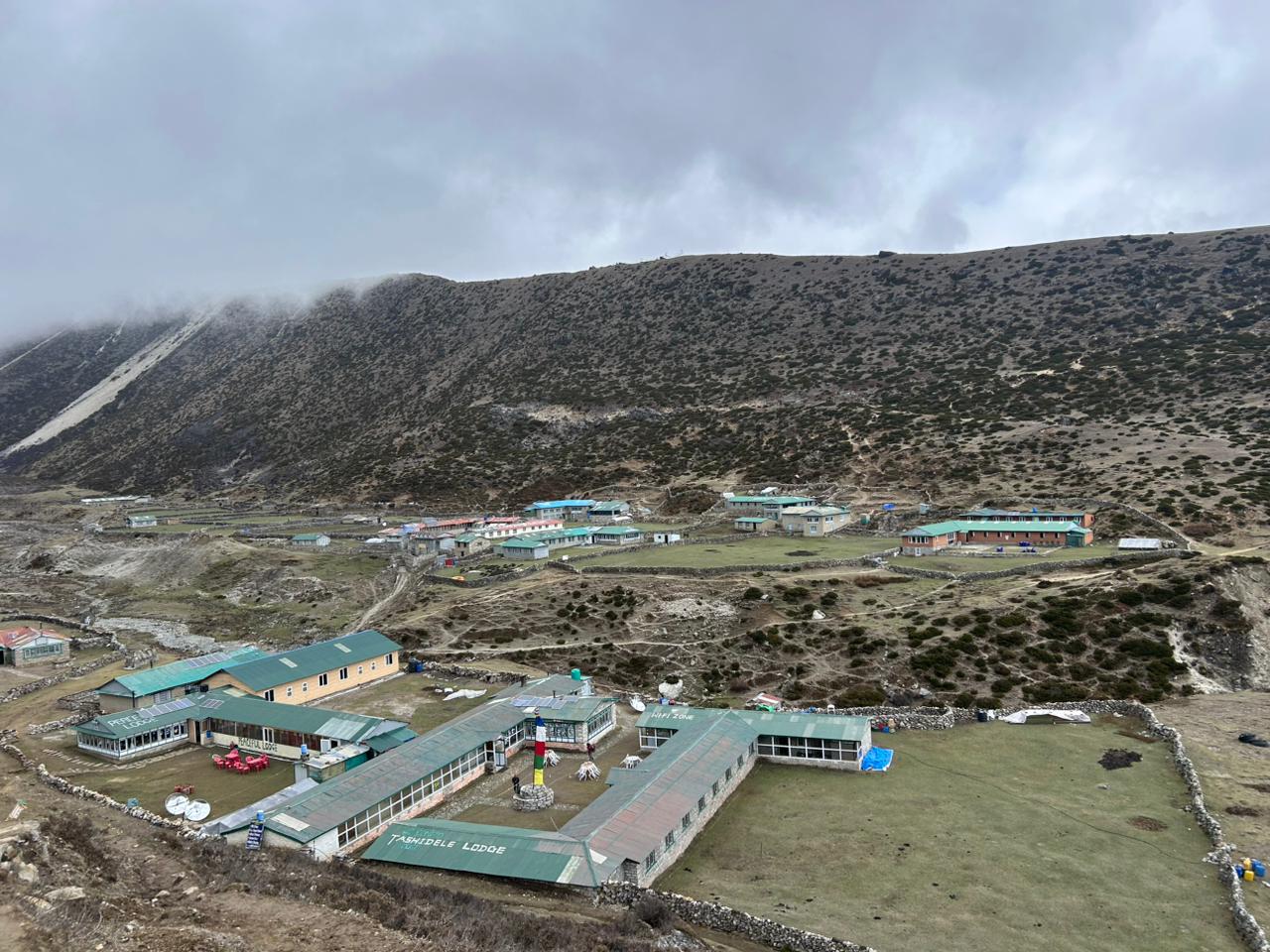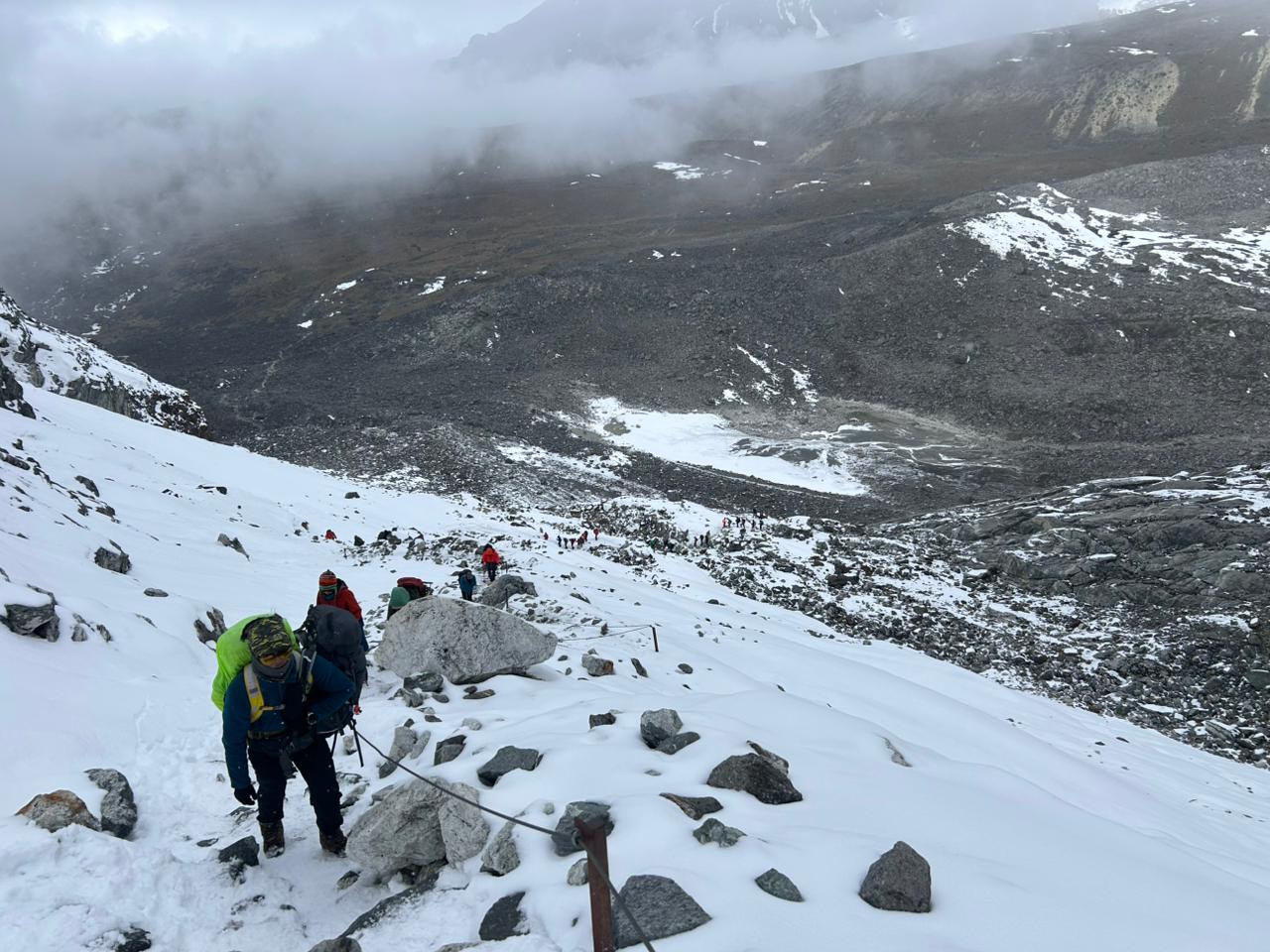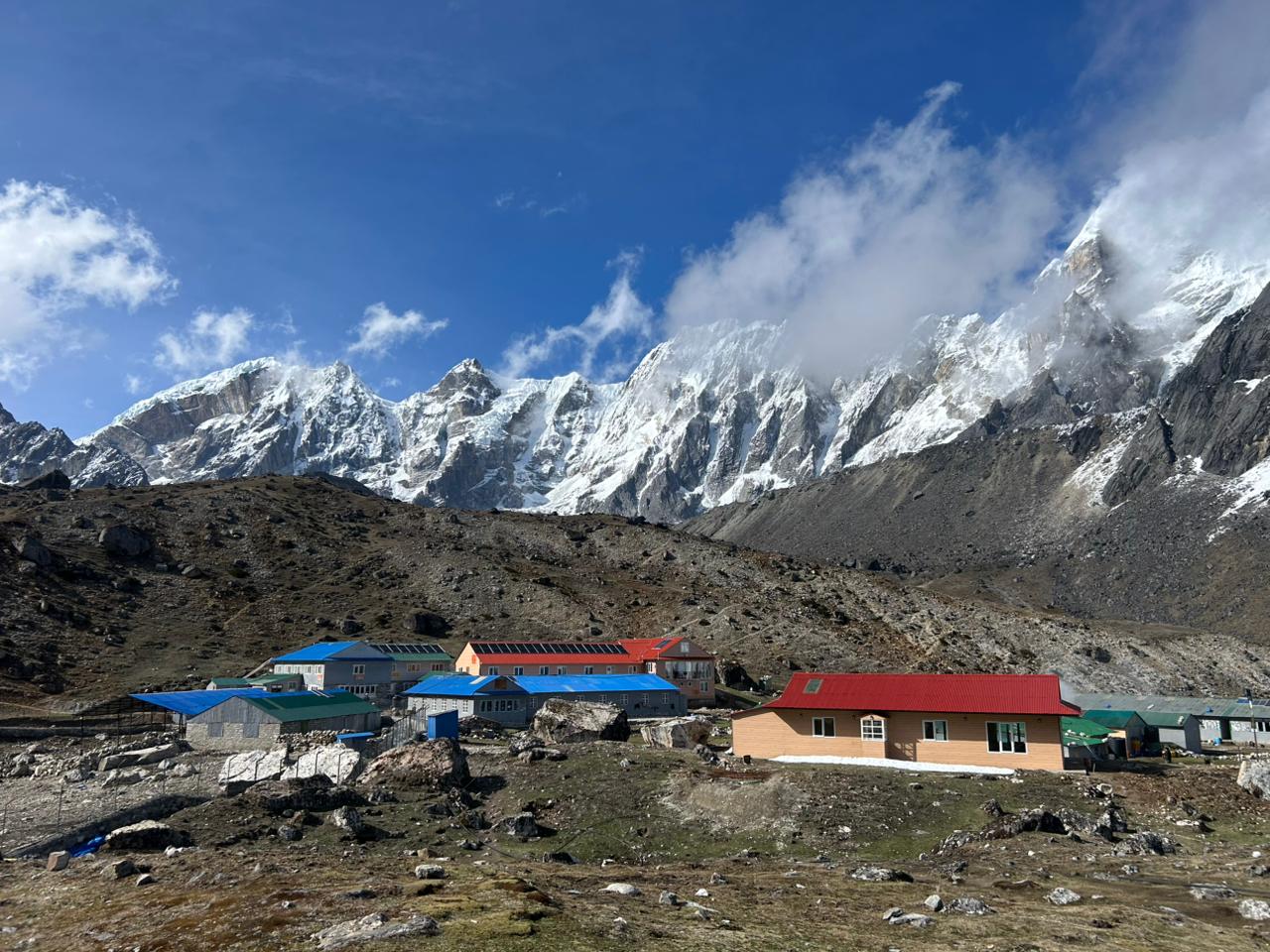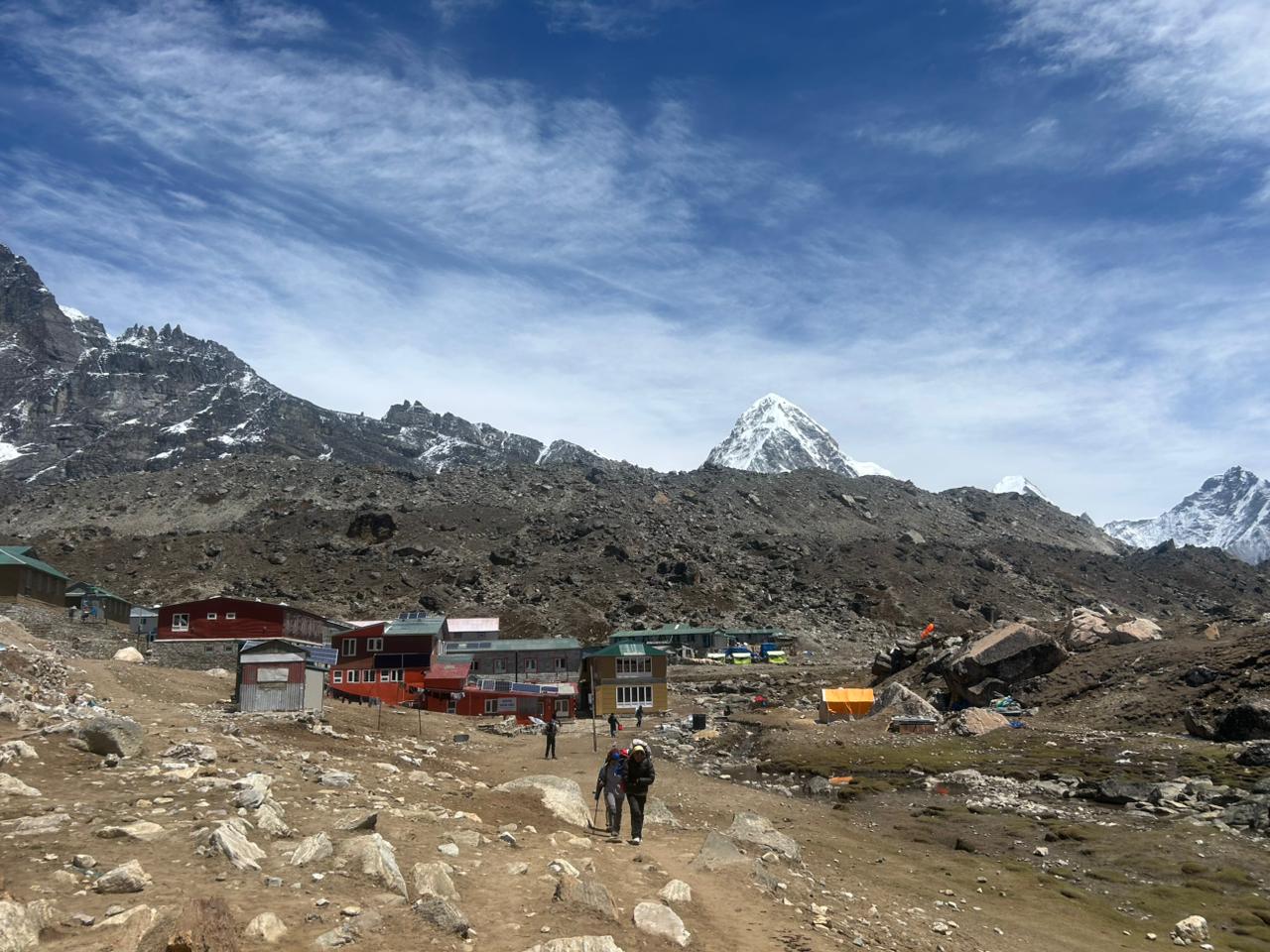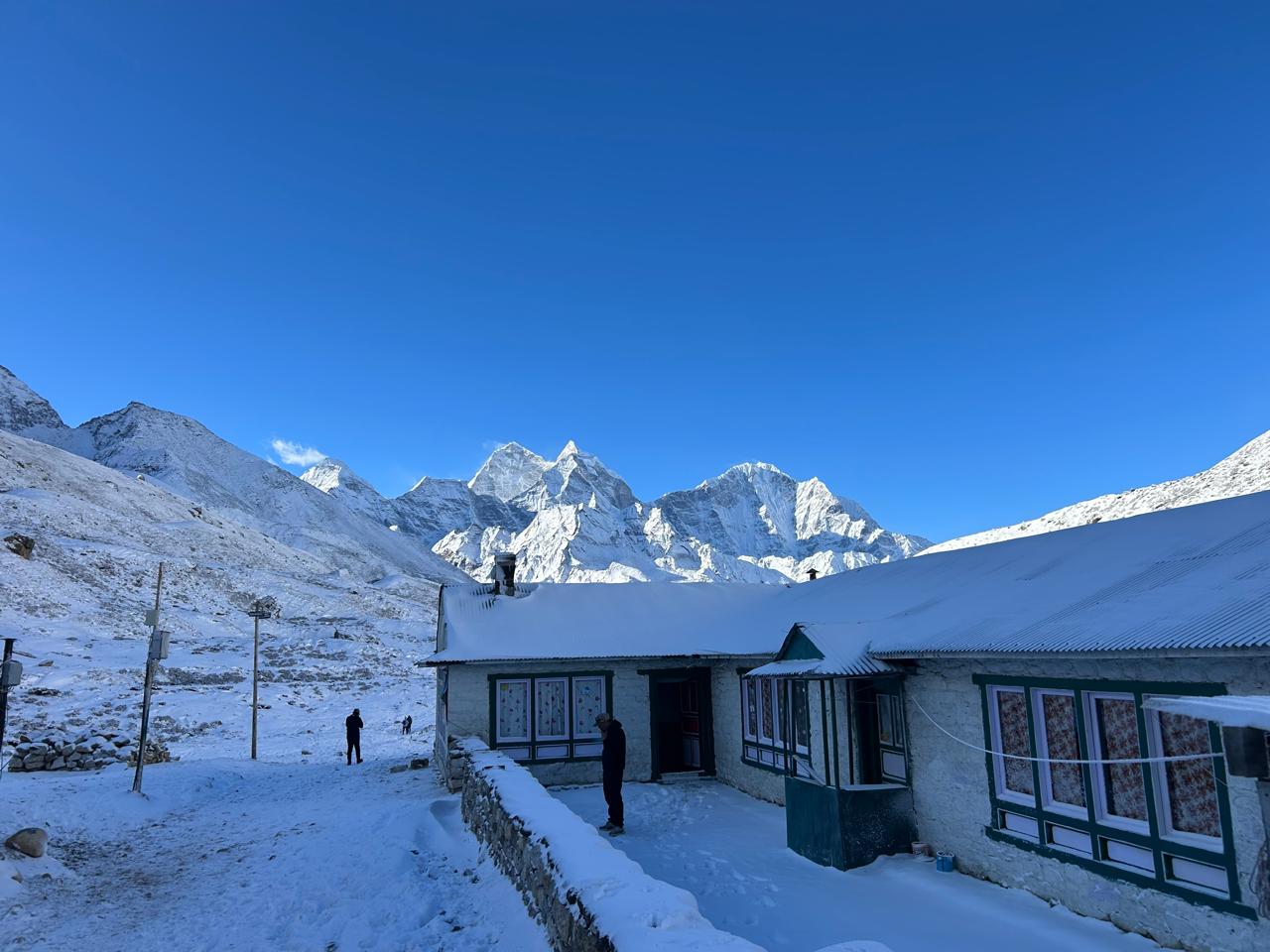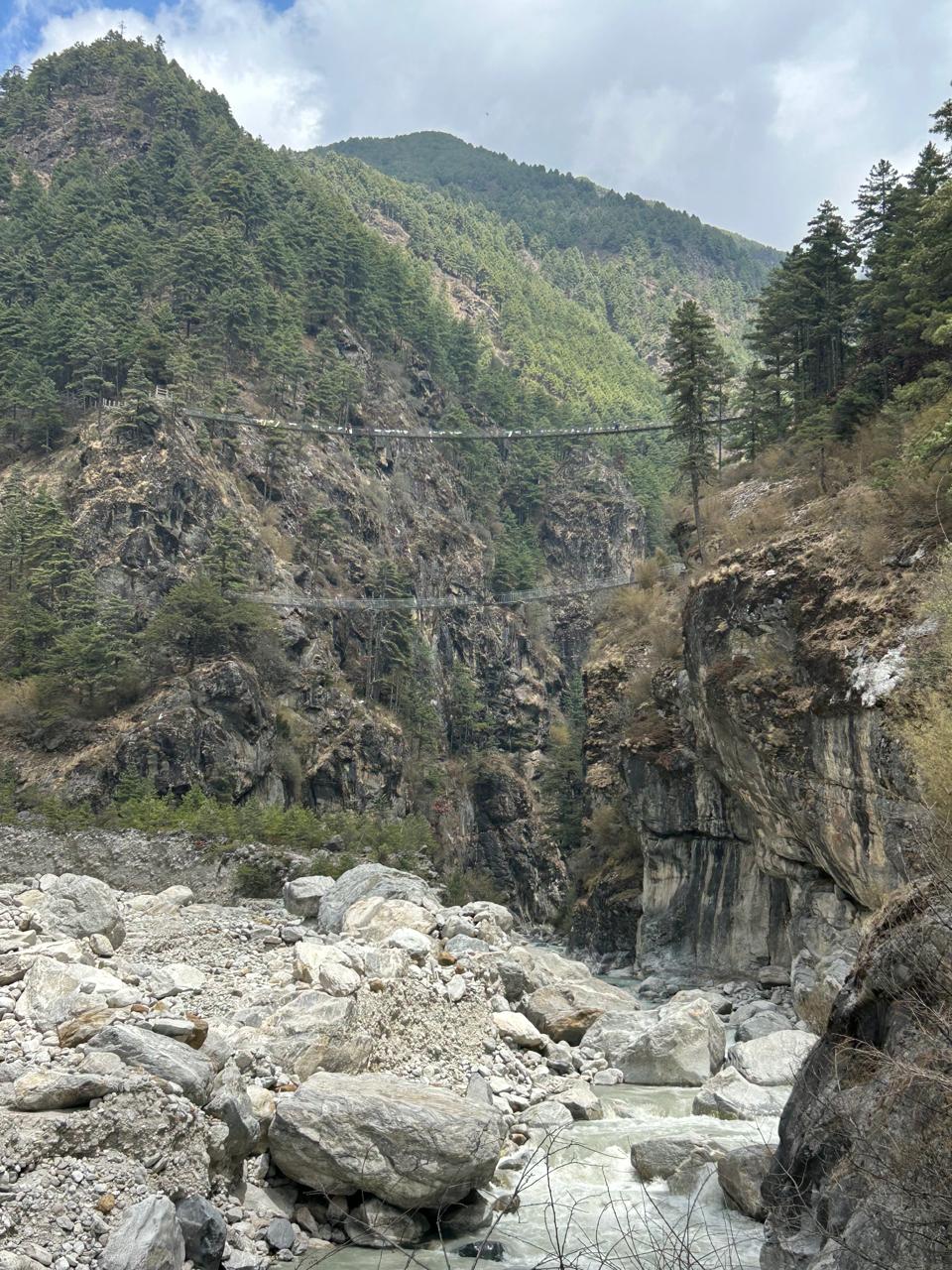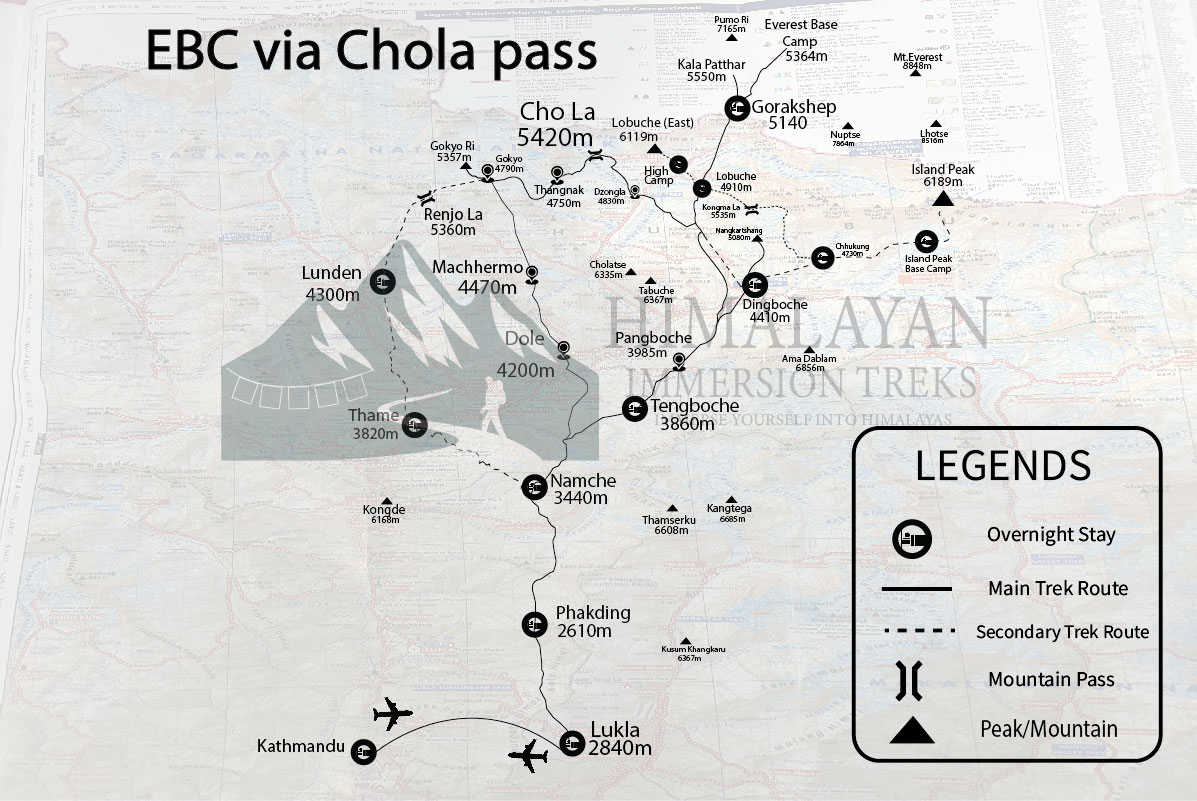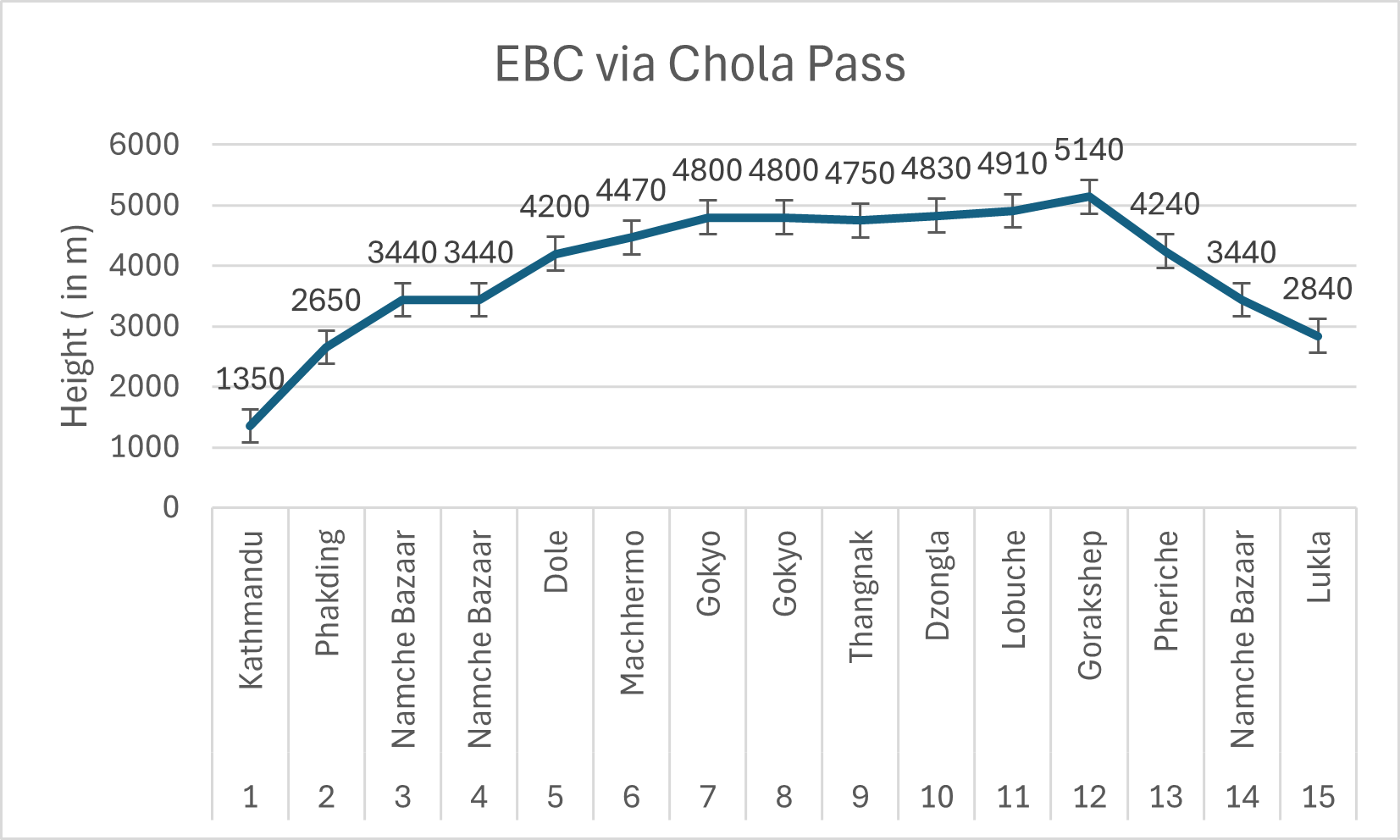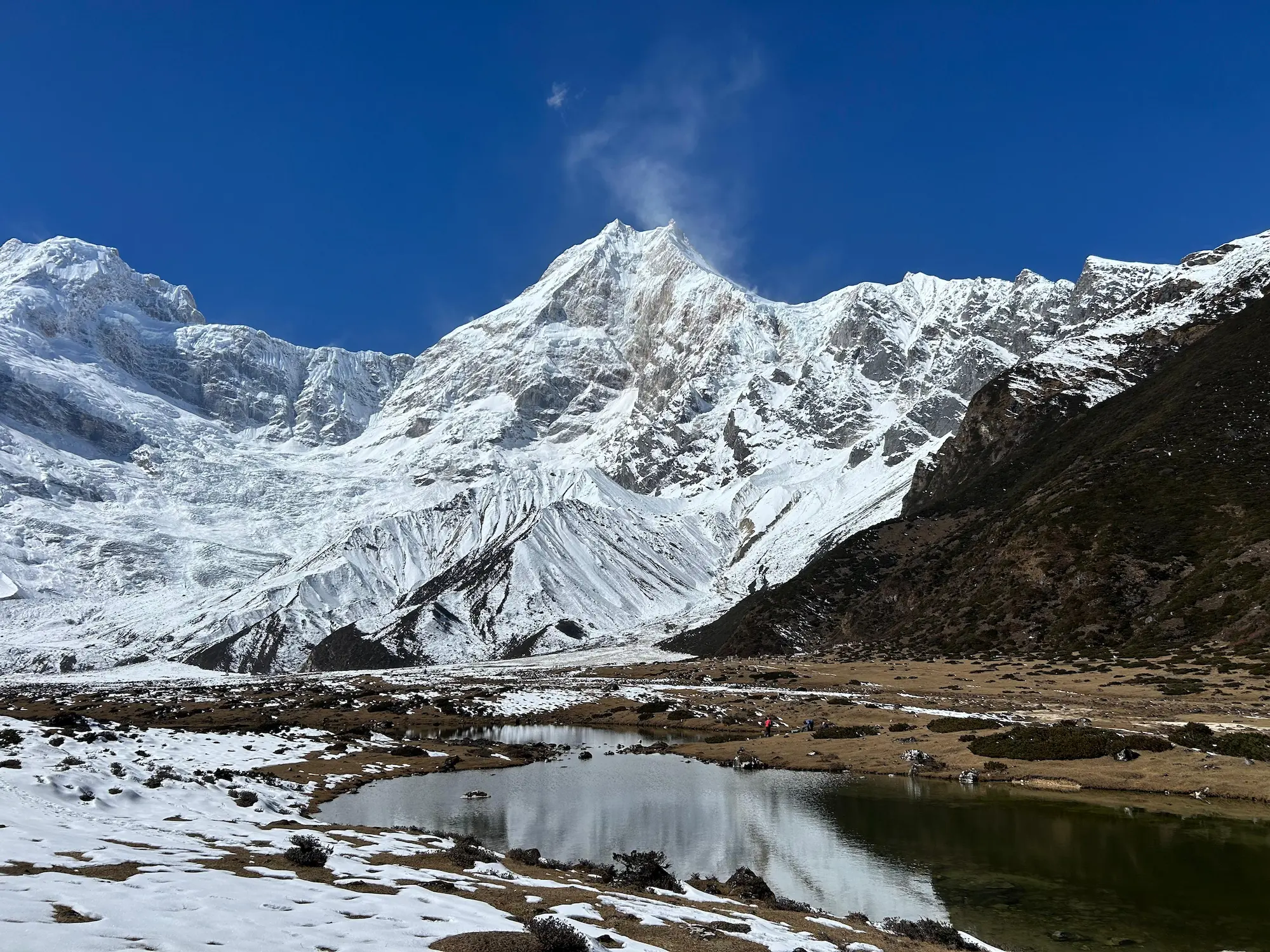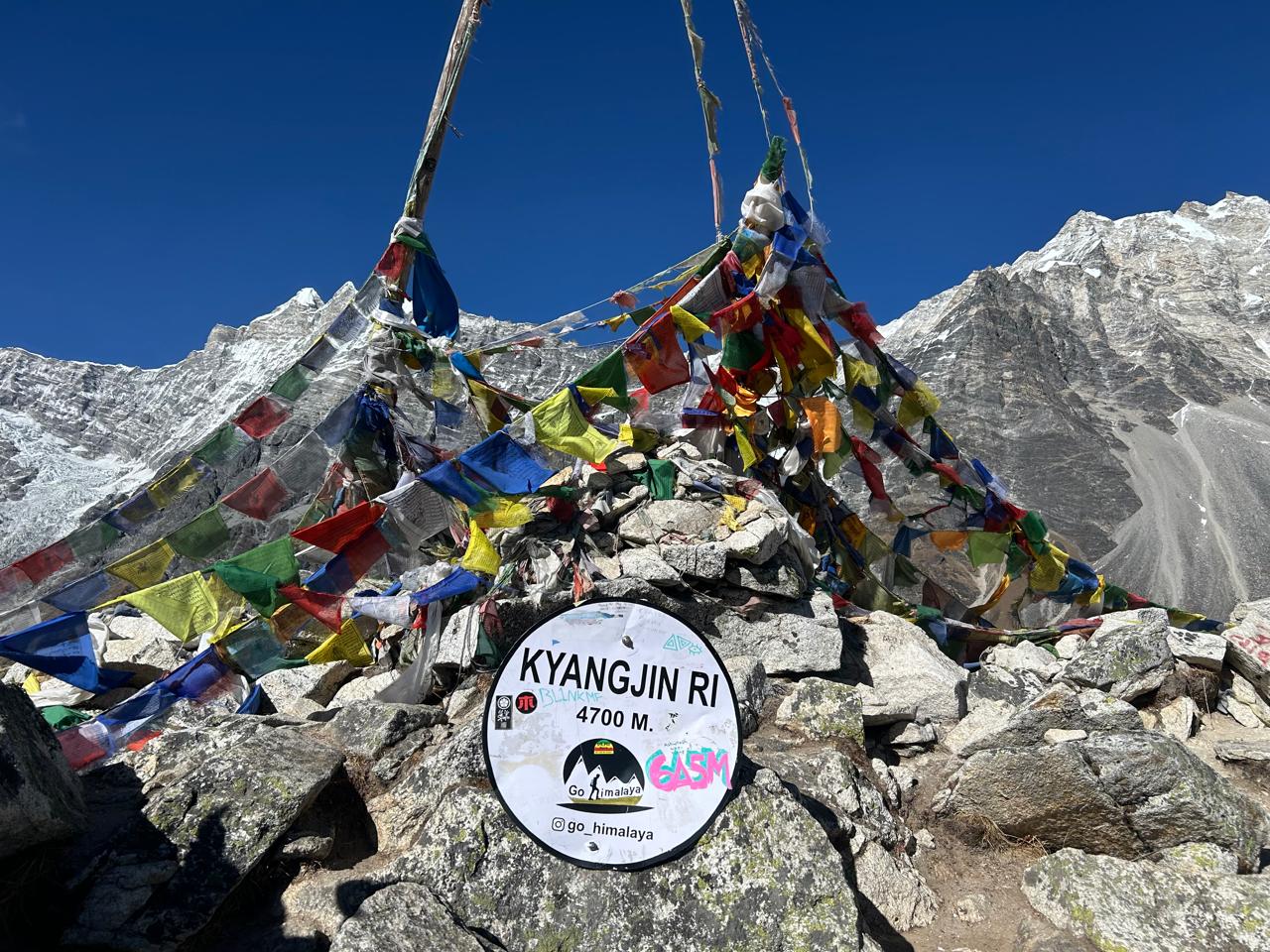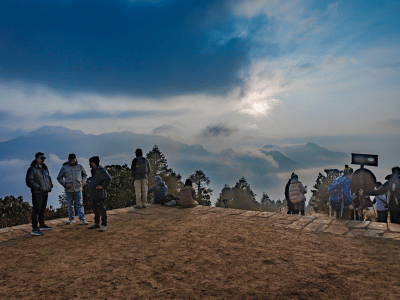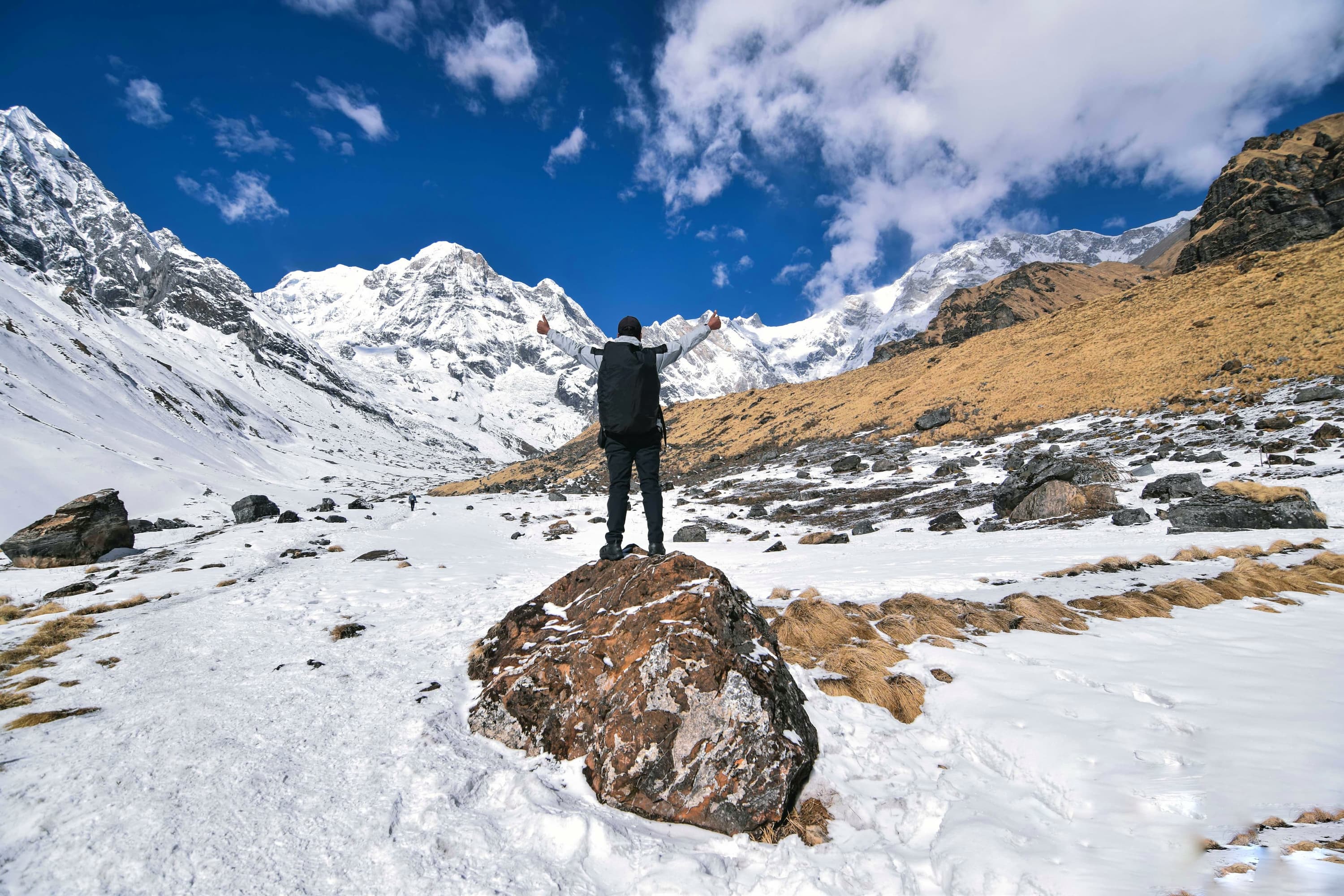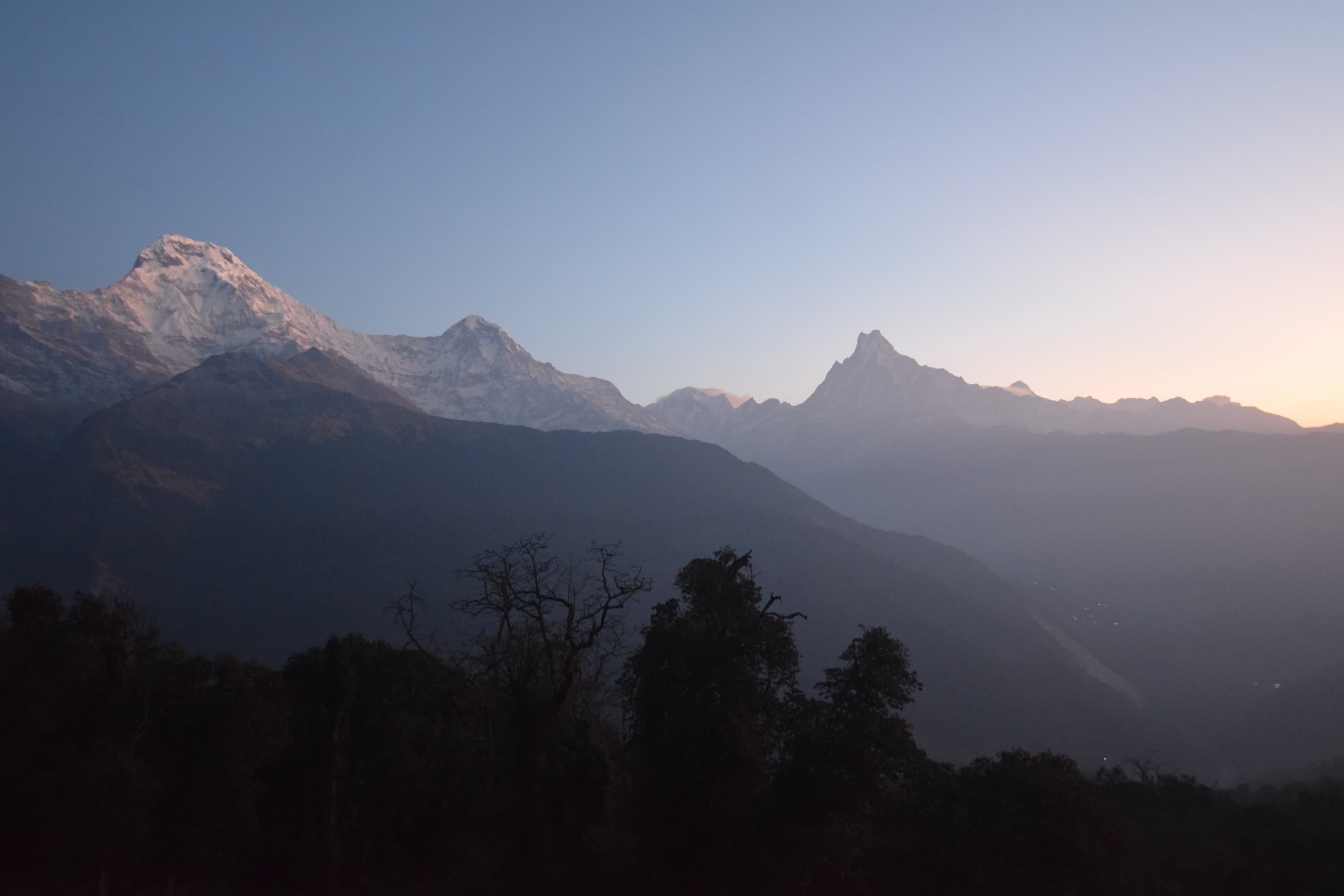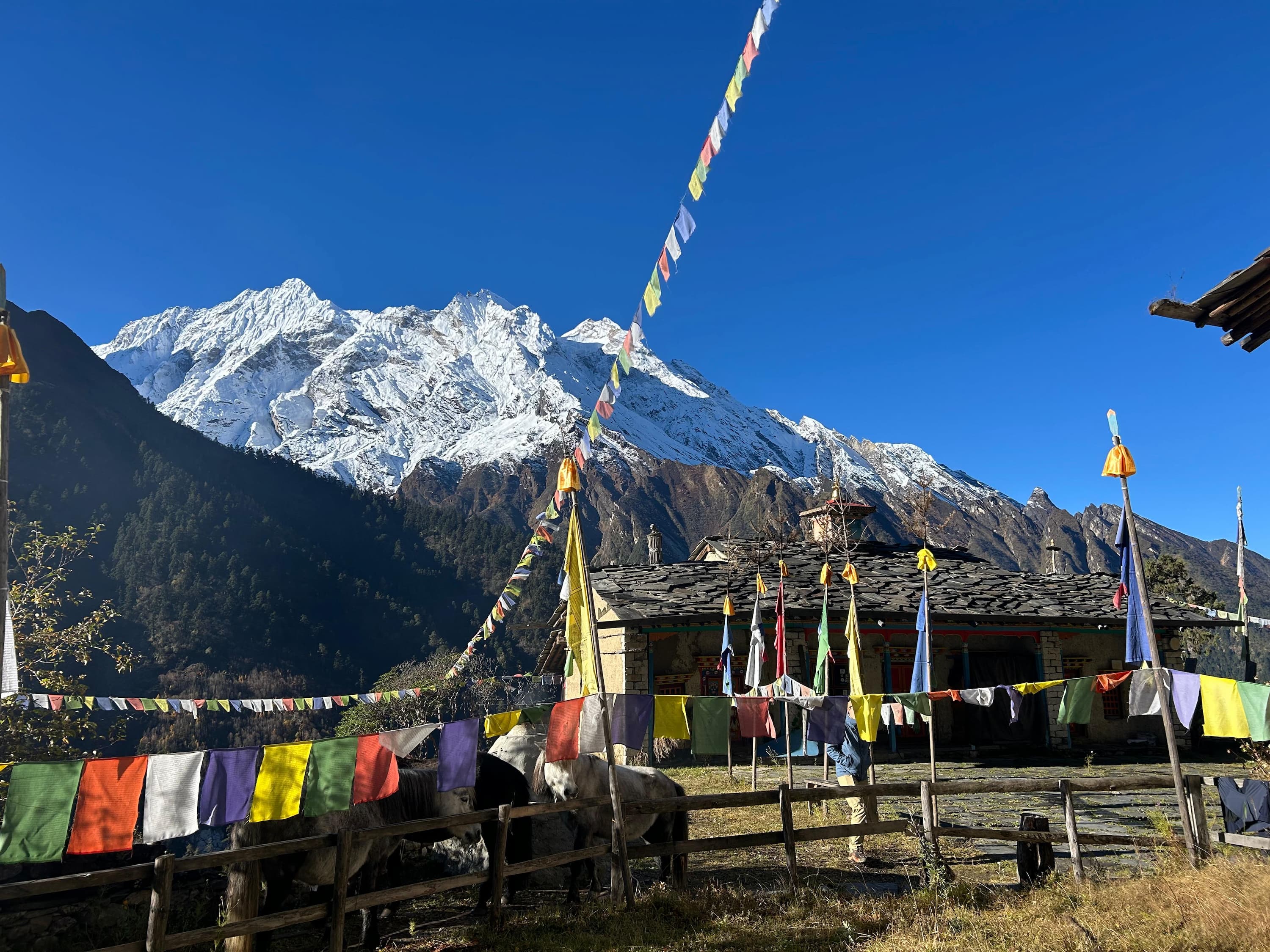
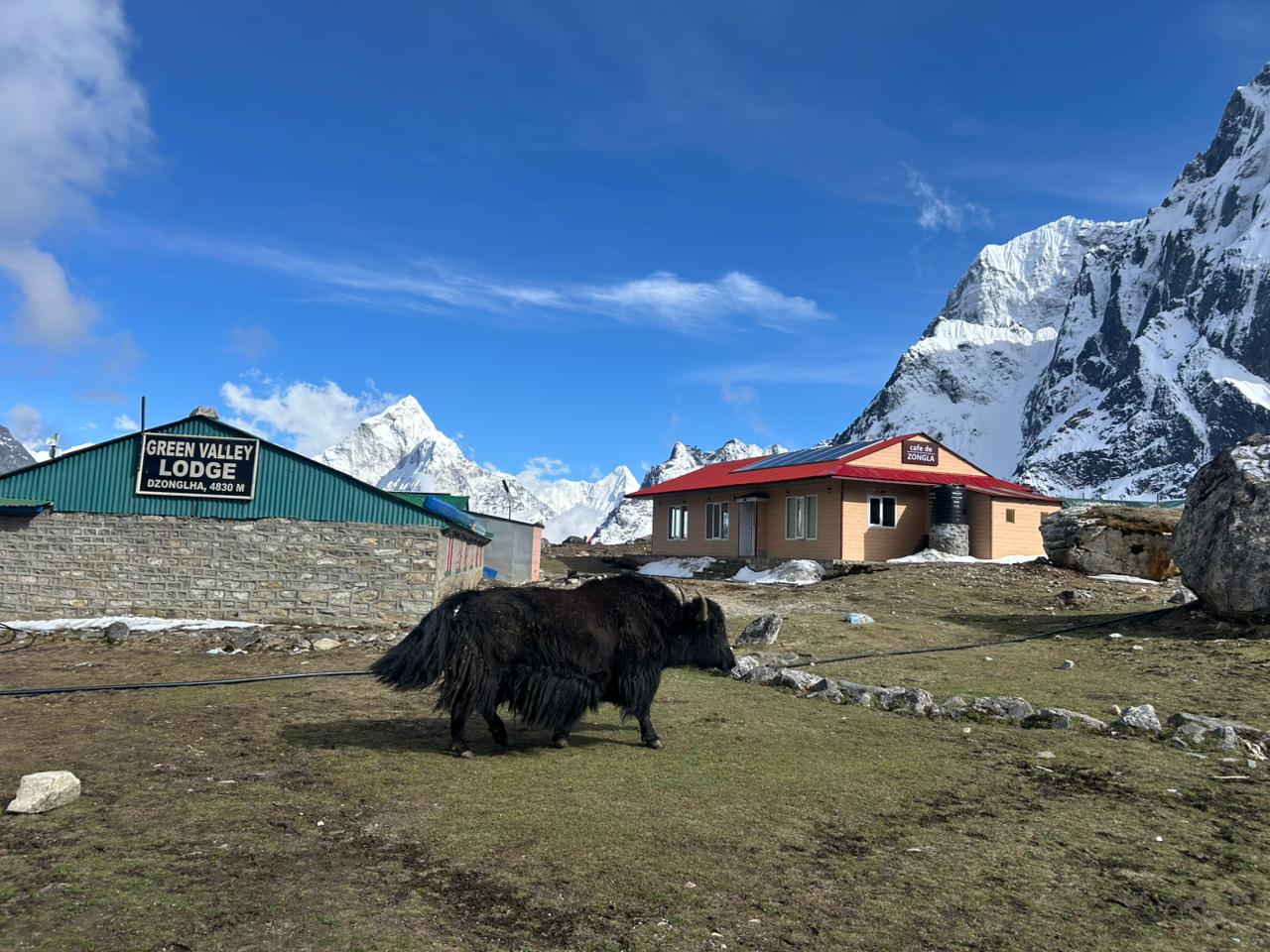
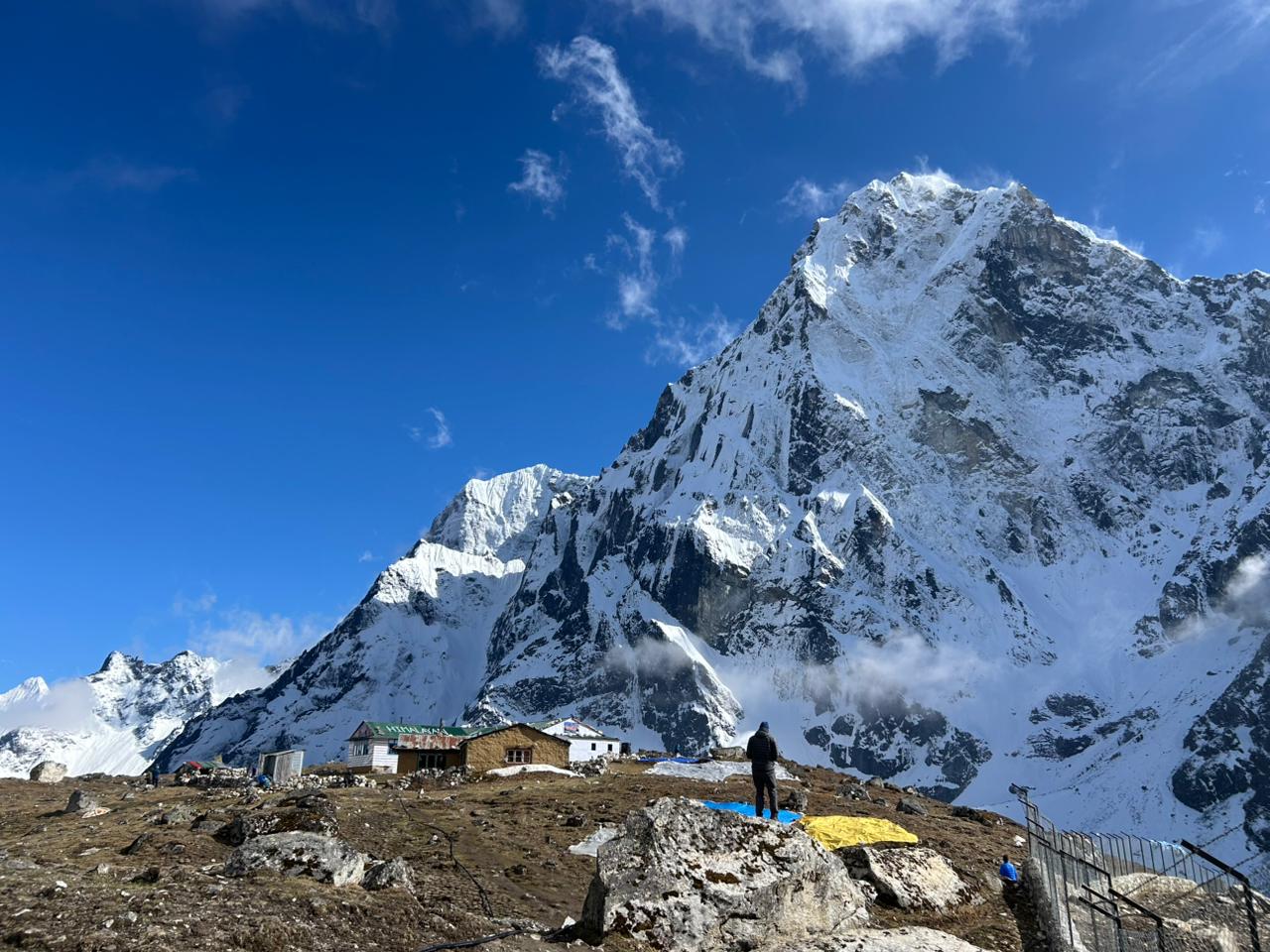
The Everest Base Camp Trek combined with the Gokyo and Chola Pass, offered by Himalayan Immersion Treks, is an unforgettable 17-day adventure that takes you through the heart of the Khumbu region, blending breathtaking landscapes, rich Sherpa culture, and thrilling high-altitude challenges. This trek is perfect for those who want to experience more than just the classic Everest Base Camp route, adding the serene beauty of Gokyo Valley and the exhilarating crossing of Cho La Pass. The journey begins with a scenic flight to Lukla, where the trail winds through lush forests, charming Sherpa villages, and alongside the roaring Dudh Koshi River. As you ascend, the landscape transforms from verdant valleys to rugged alpine terrain, with each step offering awe-inspiring views of the world’s highest peaks. Namche Bazaar, the bustling gateway to the Everest region, serves as a cultural hub where you can immerse yourself in Sherpa traditions and visit ancient monasteries.
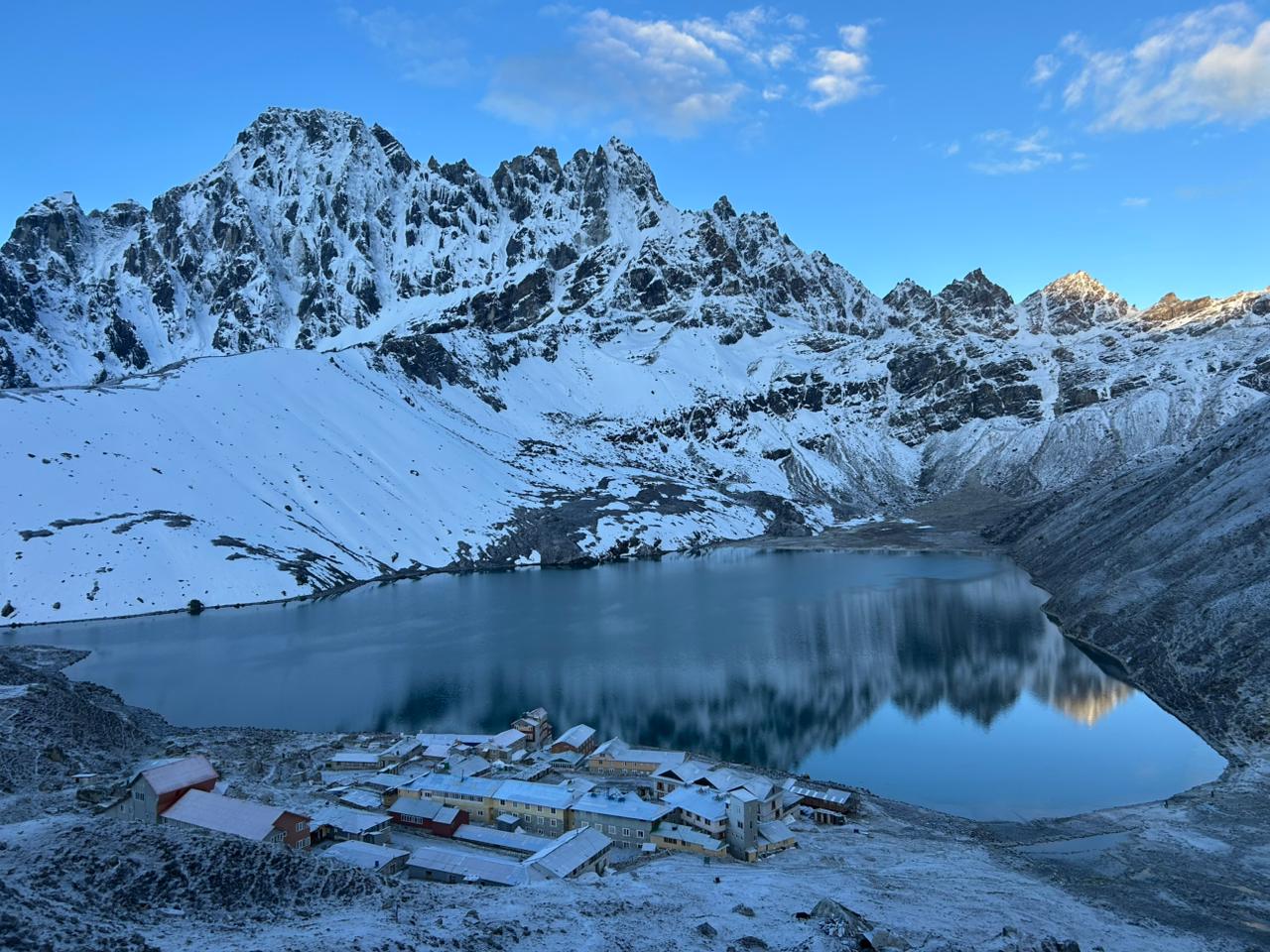
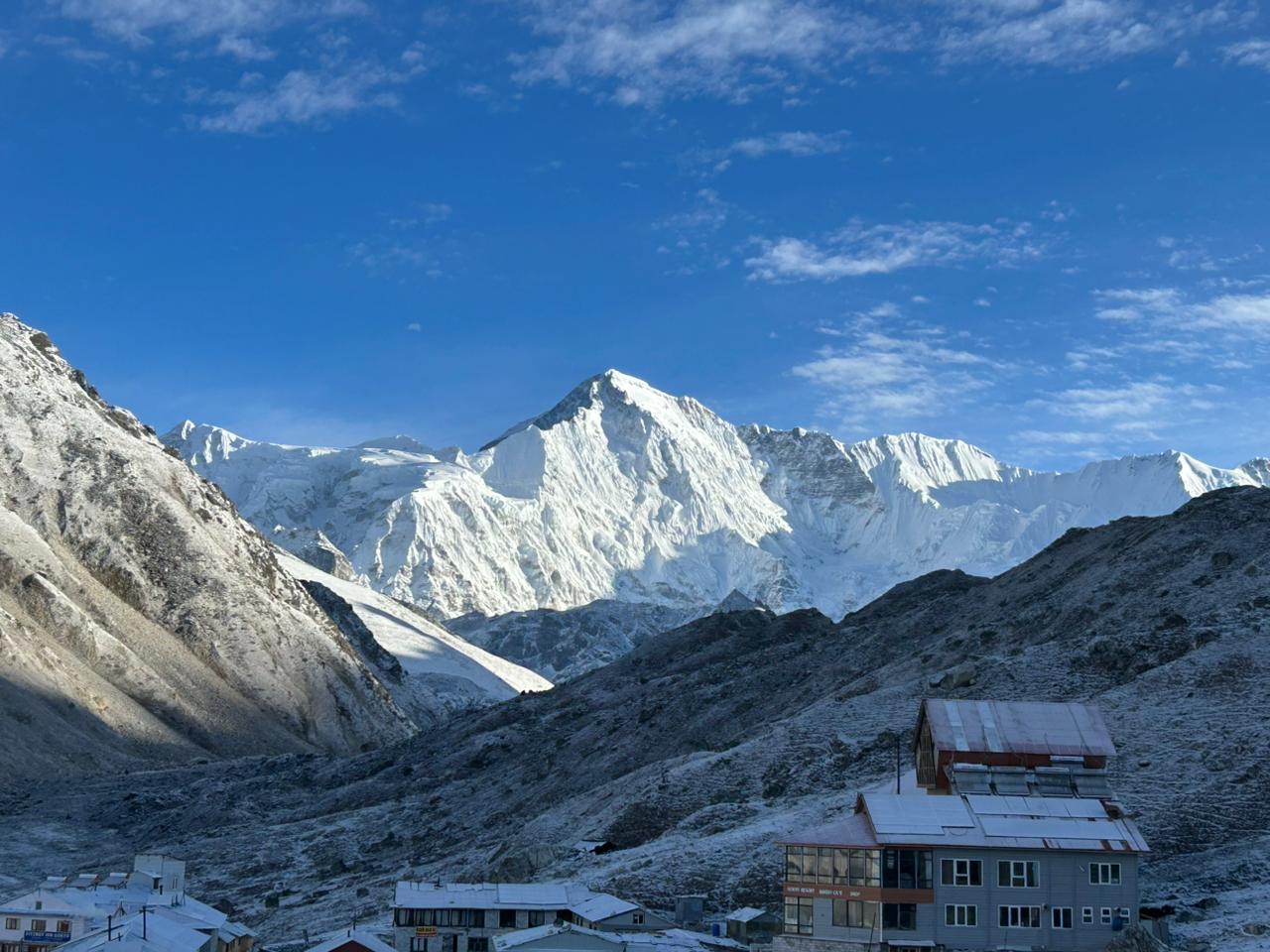
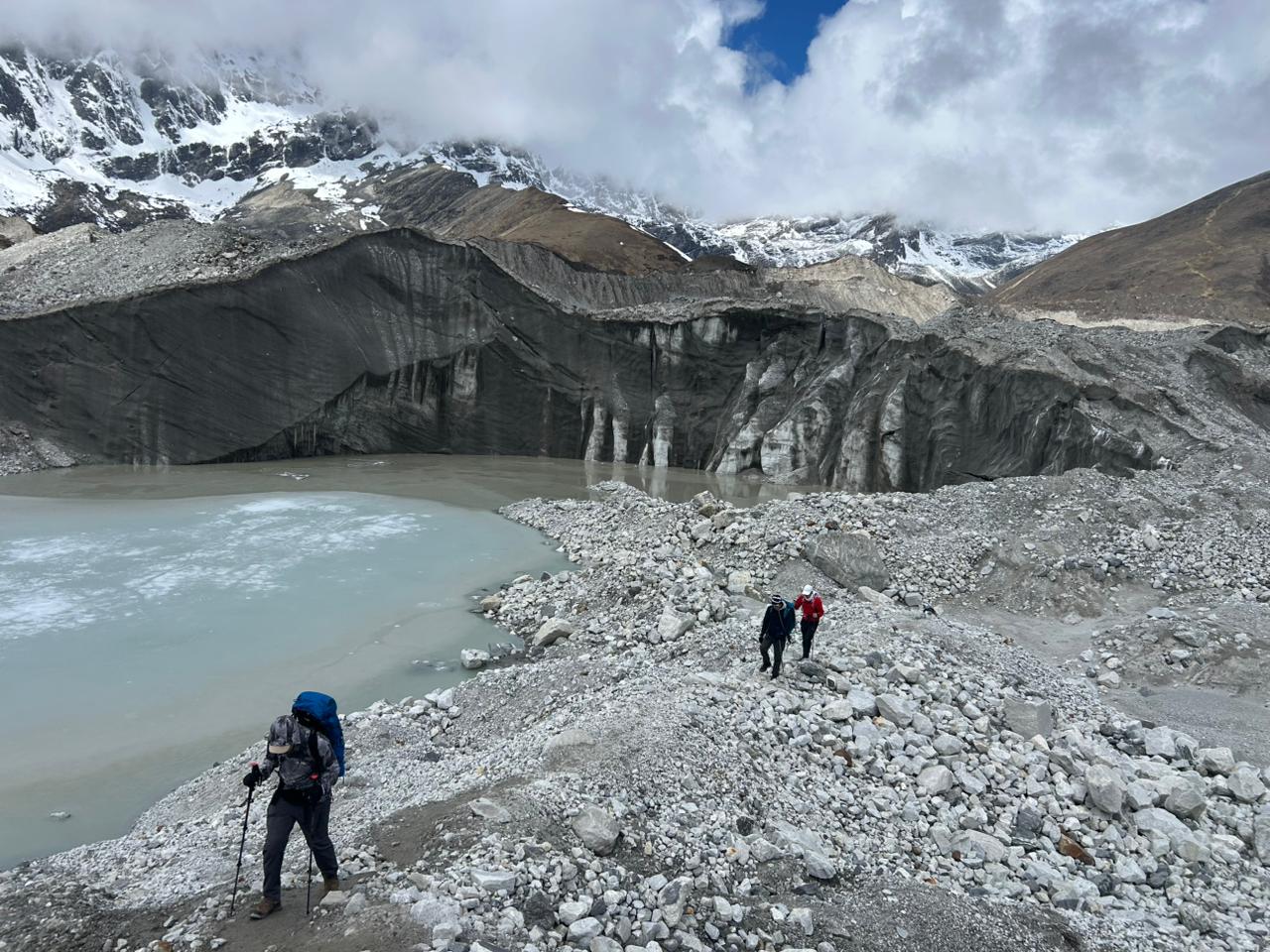
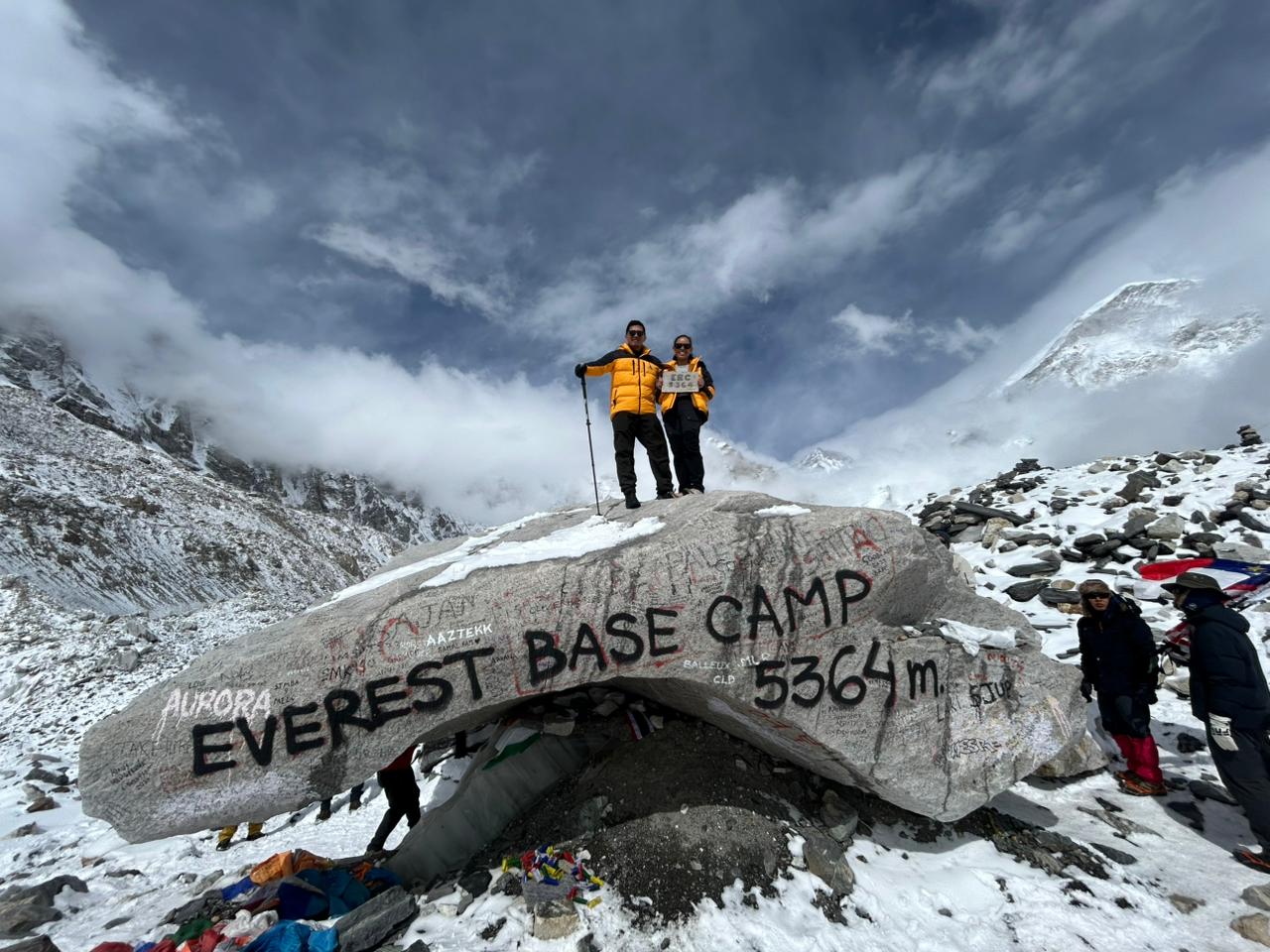
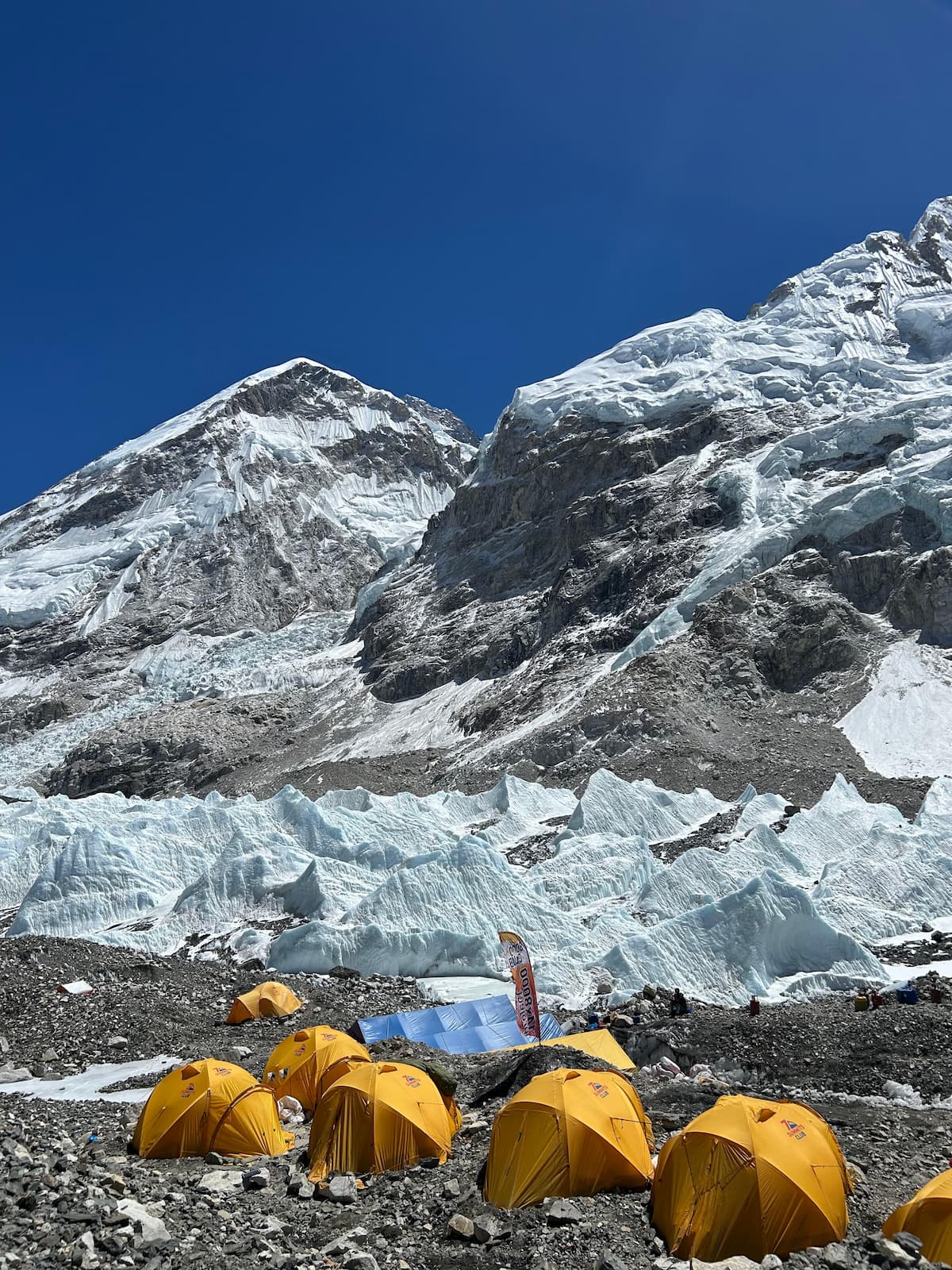
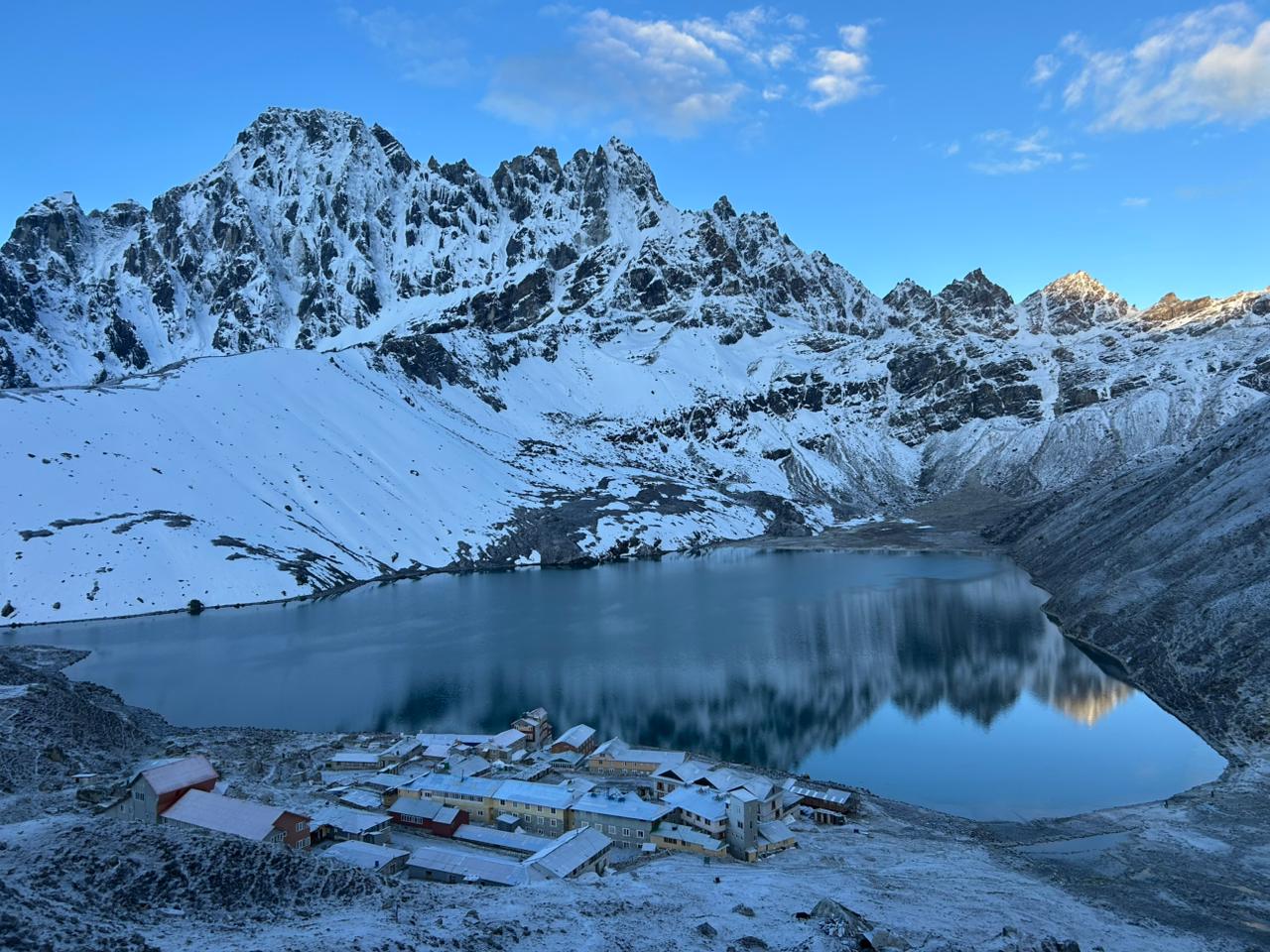
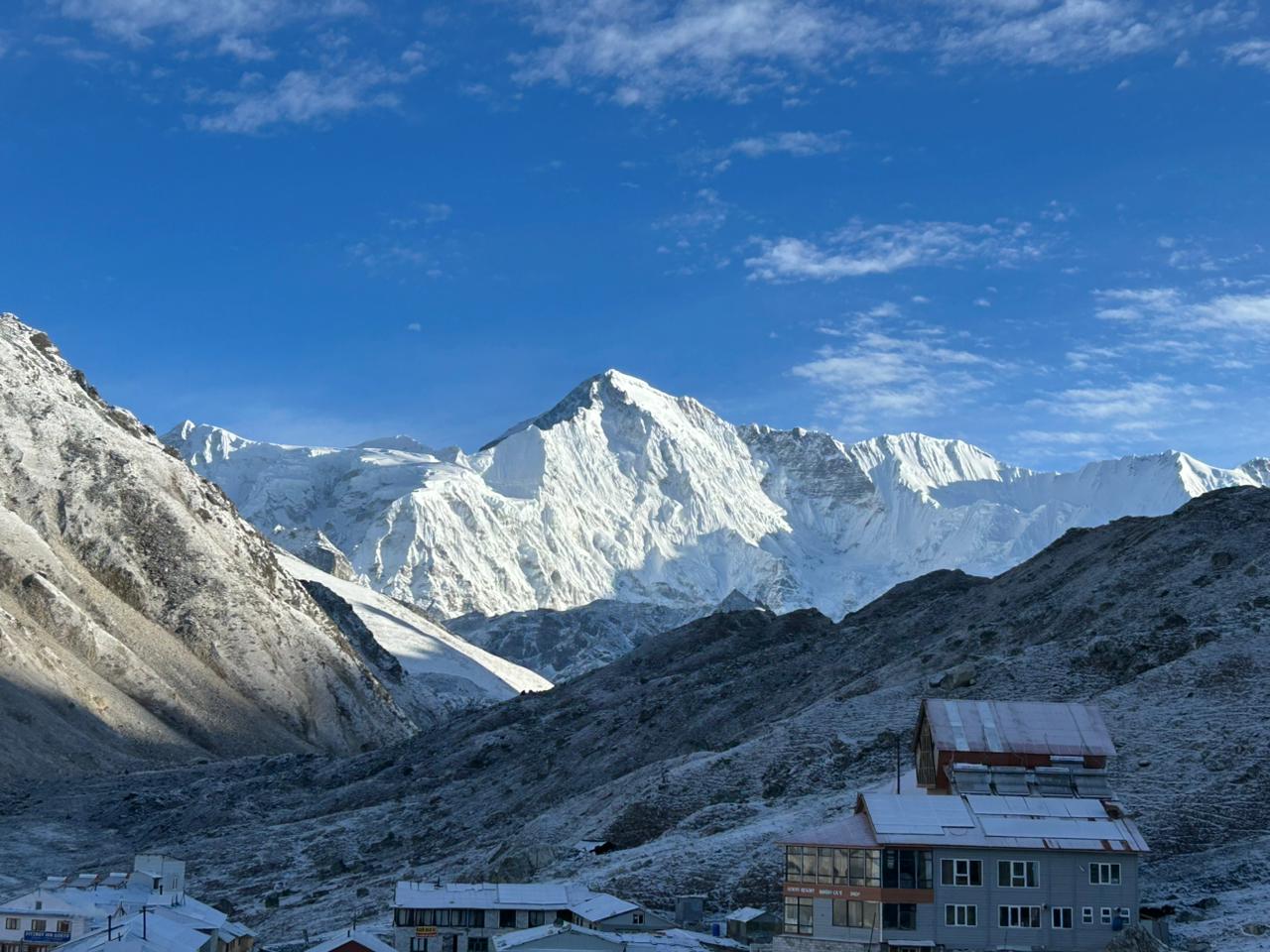
The trek then diverges toward the tranquil Gokyo Valley, a hidden gem adorned with turquoise glacial lakes and surrounded by towering peaks. Climbing Gokyo Ri rewards you with a panoramic vista of Everest, Lhotse, Makalu, and Cho Oyu, a sight that makes every ounce of effort worthwhile. The adventure intensifies as you tackle the Cho La Pass, a challenging but exhilarating high-altitude crossing that connects Gokyo to the classic Everest trail. Stepping onto the icy pass, with its dramatic views and sense of accomplishment, is a highlight of the journey. From there, the route merges with the iconic Everest Base Camp path, leading you through Lobuche and Gorak Shep before finally reaching the legendary base camp itself, where mountaineers begin their summit attempts.
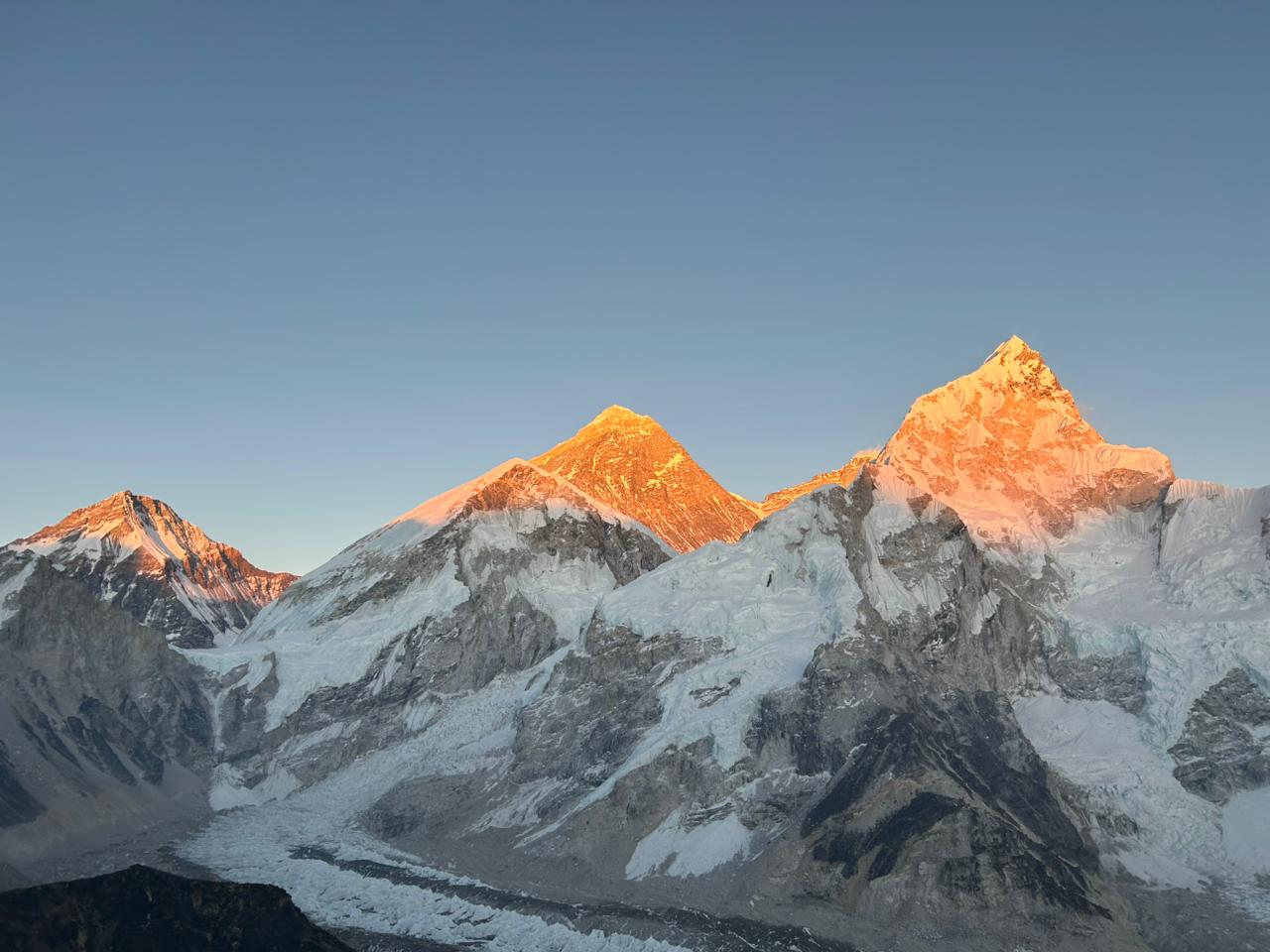
An early morning hike to Kala Patthar offers the most stunning sunrise view of Everest, bathed in golden light, a moment that stays with you forever. Beyond the mountains, this trek is a deep dive into Sherpa culture, with visits to centuries-old monasteries, encounters with friendly locals, and insights into their resilient way of life. Himalayan Immersion Treks ensures a well-paced itinerary with proper acclimatization, expert guides, and comfortable teahouse stays, making the journey as safe as it is thrilling. Whether you’re drawn by the allure of Everest, the serenity of Gokyo’s lakes, or the cultural richness of the Khumbu, this trek is a once-in-a-lifetime experience that combines adventure, beauty, and tradition in the most spectacular way.
Why Choose Himalayan Immersion Treks for Everest Base Camp Trek & Gokyo Chola Pass?
Himalayan Immersion Treks is Nepal’s most experienced and trusted travel and trekking company, specializing in unforgettable adventures like the Everest Base Camp Trek and the challenging Gokyo Chola Pass. Here’s why we are the best choice for your Himalayan journey:
- Expert & Friendly Guides – Our team consists of highly experienced, professional, and friendly guides who treat you like family. They provide full support throughout your trek, ensuring a safe and enjoyable experience.
- Well-Planned Itineraries – We design carefully crafted trekking packages with the perfect balance of time, cost, and adventure, allowing you to fully experience the beauty of the Himalayas.
- Safety First – Your safety is our top priority. We take full responsibility for risk management, proper acclimatization, and emergency preparedness during your trek.
- Authentic Local Experience – We connect you with the best local lodges, hotels, and transportation while encouraging you to savor traditional Nepali cuisine and immerse yourself in the rich Sherpa culture.
- Seamless Preparation – From permits to packing lists, our team guides you through every step of pre-trek preparation, ensuring you’re fully ready for the adventure ahead.
- Strong Local Network – With excellent relationships among local communities, teahouses, and service providers, we guarantee smooth logistics and a hassle-free trekking experience.
Best Time for Everest Base Camp Trek & Gokyo Chola Pass with Himalayan Immersion Treks
- Spring (March - May) – The Best for Scenic Beauty
-Perfect weather: Warm days, clear skies, and stable temperatures.
-Stunning landscapes: Rhododendrons and wildflowers bloom, painting the trails in vibrant colors.
-Great visibility: Crystal-clear mountain views, ideal for photography.
-Suitable for all trekkers: Comfortable conditions for both beginners and experienced hikers. - Autumn (September - November) – The Most Popular Season
-Post-monsoon freshness: Clean air, crisp skies, and unmatched Himalayan panoramas.
-Mild temperatures: Pleasant days and cool nights—perfect for trekking.
-Festive vibes: Experience local Sherpa culture during Nepal’s major festivals like Dashain and Tihar.
-Stable trails: Dry paths with minimal rain or snow disruptions. - Winter (December - February) – Challenging but Rewarding
-Extreme cold: Freezing temperatures, especially at higher altitudes.
-Fewer crowds: Solitude on the trails, but many lodges may be closed.
-Snow-covered trails: Beautiful but risky—experienced trekkers only.
-Limited visibility: Frequent clouds and snowfall may obstruct mountain views. - Monsoon (June - August) – Not Recommended
-Heavy rainfall: Slippery trails, landslides, and leeches in lower regions.
-Poor visibility: Clouds and fog often hide mountain vistas.
-Limited accessibility: Flight delays and difficult road conditions.
Preparation For This Treks
1. Physical Fitness Training
Since these treks involve long days of walking (5-7 hours daily) at high elevations, you need to build stamina and endurance before your trip:
-Start walking/hiking – Begin with 1-hour daily walks and gradually increase distance.
-Practice uphill/downhill hiking – Find local trails with elevation gain to simulate trek conditions.
-Cardio & strength training – Cycling, swimming, and squats/lunges help strengthen legs and lungs.
-Carry a loaded backpack – Train with 8-10 kg to prepare for trekking with your gear.
2. Mental Preparation
High-altitude trekking is as much a mental challenge as a physical one. Be ready for:
✔ Unpredictable weather – Patience is key if flights or trails get delayed.
✔ Basic accommodations – Tea houses are cozy but lack luxury.
✔ Altitude risks – Proper acclimatization is crucial; listen to your body and guide.
✔ Long, demanding days – Stay positive—every step brings breathtaking rewards!
3. Packing Essentials
Clothing (Layered for All Conditions)
-Base layers (moisture-wicking)
-Insulating layers (fleece/down jacket)
-Waterproof outer shell (windproof jacket & pants)
-Trekking pants & thermal leggings
-Woolen socks, gloves, warm hat, and sun hat
-Sturdy, broken-in hiking boots + lightweight camp shoes
Gear & Equipment
-Backpack (40-50L) with rain cover
-Sleeping bag (rated for -10°C to -15°C)
-Trekking poles (for stability on steep trails)
-Sunglasses (UV-protected) & headlamp
-Water bottles/hydration bladder (2-3L)
-Personal first aid kit & altitude sickness meds (Diamox, painkillers, blister care)
Documents & Permits
-Passport + copies
-TIMS card & trekking permits (we help arrange these)
-Travel insurance (must cover high-altitude trekking up to 5,500m+)
4. Health & Safety Tips
-Acclimatize properly – Follow a gradual ascent schedule; never rush.
-Stay hydrated – Drink 3-4L of water daily to combat altitude effects.
-Eat well – High-calorie meals fuel your body; try local dal bhat for energy!
-Know altitude sickness signs (headache, nausea, dizziness)—inform your guide immediately if symptoms arise.
Why Trust Himalayan Immersion Treks?
We’ve guided hundreds of trekkers safely through Manaslu and Everest’s toughest trails. Our expert team ensures:
✔ Proper acclimatization schedules
✔ Emergency oxygen & first-aid support
✔ Local insights for a culturally rich experience