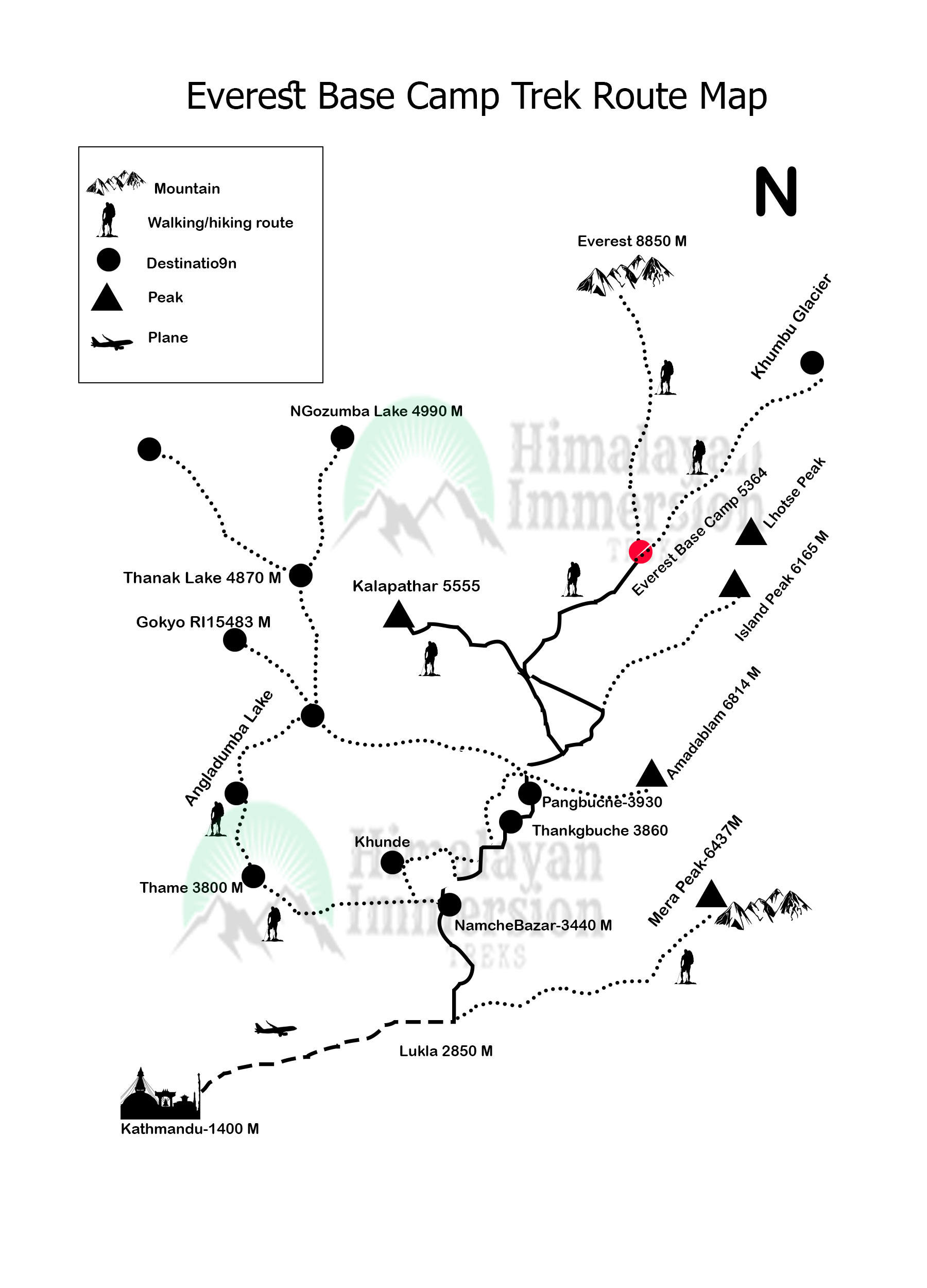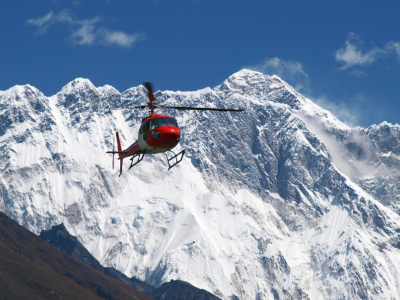
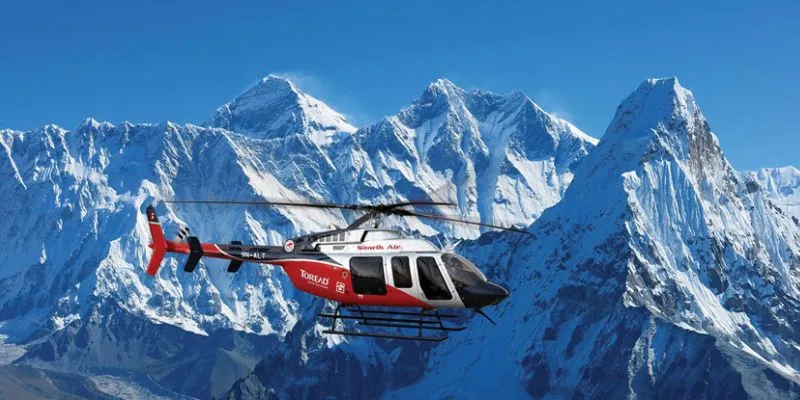
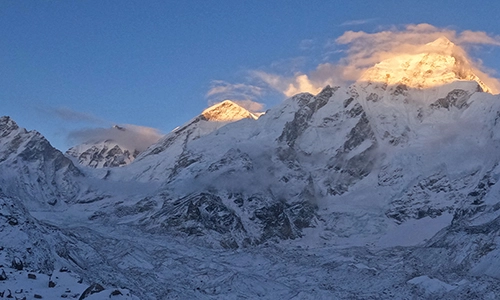
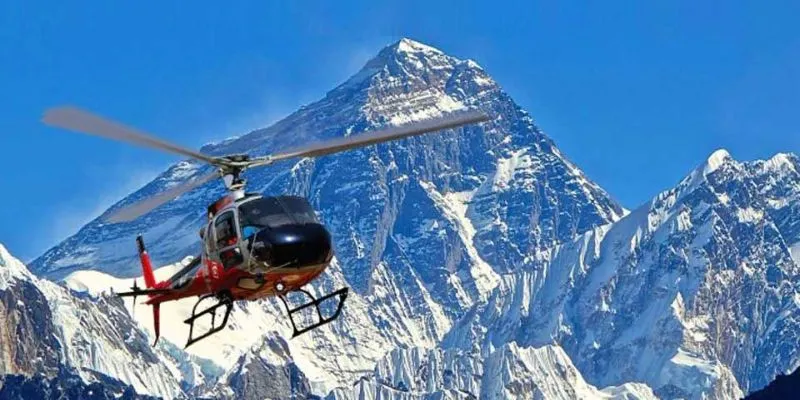
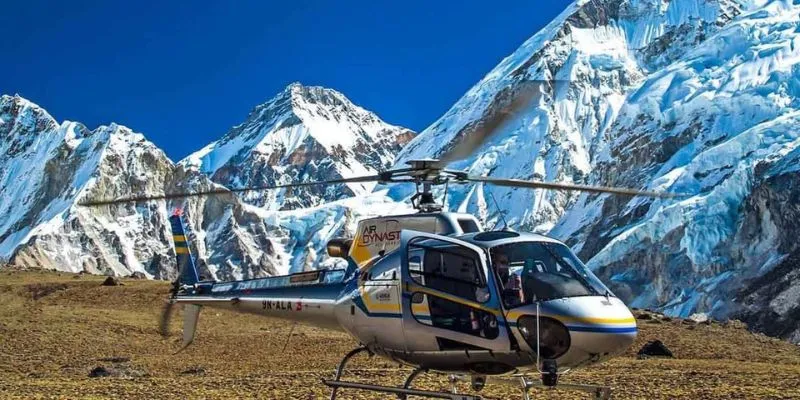
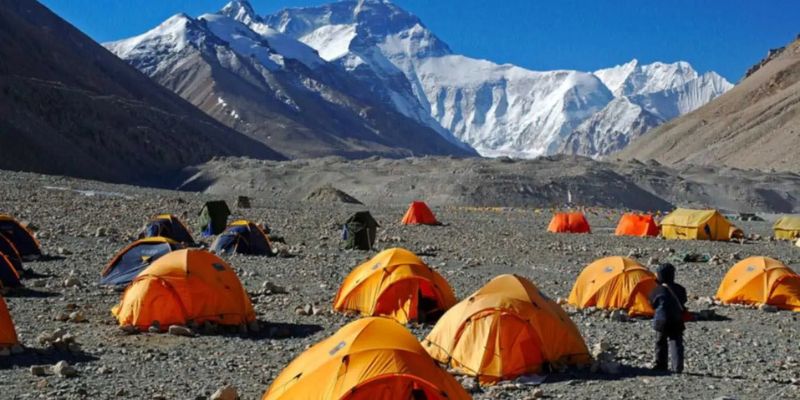
For many, Mount Everest is more than just a mountain—it’s a dream, a symbol of adventure, and a testament to nature’s grandeur. Not everyone has the time, stamina, or resources for a long trek to Everest Base Camp, but that shouldn’t stop you from witnessing the world’s highest peak up close. That’s where the Everest Helicopter Tour with Himalayan Immersion Treks comes in—a breathtaking journey that lets you experience the magic of the Himalayas in just a single day, without the weeks of trekking.
Imagine starting your morning with a scenic flight from Kathmandu, soaring over lush valleys and winding rivers before landing in Lukla, the gateway to Everest. From there, your helicopter climbs higher, offering jaw-dropping views of deep gorges, glacial rivers, and snow-capped giants like Ama Dablam and Lhotse. The highlight? A thrilling landing at Kala Patthar (5,600m), where you’ll step out into the thin air and stand face-to-face with Mount Everest itself. The panoramic view from here is unmatched—Everest’s mighty peak, the sprawling Khumbu Glacier, and a sea of Himalayan giants stretching as far as the eye can see.
But the adventure doesn’t end there. On your descent, you’ll stop at the Everest View Hotel in Syangboche, where you can enjoy a warm breakfast with a view that most only dream of. Surrounded by the towering Himalayas, you’ll get a taste of Sherpa hospitality and culture, all while taking in the serene beauty of the Khumbu Valley.
This tour is perfect for those who want to experience Everest’s grandeur without the physical demands of trekking. Whether you’re short on time, prefer comfort, or simply want a once-in-a-lifetime adventure, this helicopter tour delivers. With Himalayan Immersion Treks, you’re in safe hands—their expert pilots and guides ensure a smooth, secure, and unforgettable journey.
Beyond the stunning landscapes, this flight is also a journey through history. The Everest region is steeped in Sherpa culture and mountaineering legends. From the spiritual traditions of Tengboche Monastery to the legacy of Tenzing Norgay and Edmund Hillary’s first summit in 1953, every moment connects you to the stories that make these mountains so special.
So, if you’ve ever dreamed of standing in the shadow of Everest, this helicopter tour is your chance. No weeks of hiking, no heavy backpacks—just pure, awe-inspiring beauty from the sky. Let Himalayan Immersion Treks turn your Everest dream into reality, even if you only have a day to spare. This isn’t just a sightseeing trip; it’s an unforgettable encounter with the roof of the world.
Why Choose Himalayan Immersion Treks for Your Everest Heli Tour?
- Trusted Experts with Local Knowledge – With years of experience in Nepal’s trekking and travel industry, Himalayan Immersion Treks ensures a seamless and unforgettable Everest helicopter tour. Their team consists of highly skilled, friendly guides who treat you like family, taking care of every detail—from pre-trip preparations to in-flight safety. They design well-planned, cost-effective packages with perfect itineraries, so you get the most out of your journey without any hassle.
- Safety & Comfort First – Your security is their top priority. They work with highly trained pilots and reliable helicopters, ensuring a smooth and secure flight over the Himalayas. From luxury accommodations to cozy mountain lodges, they handpick the best stays and even recommend delicious local cuisine so you can fully immerse yourself in Sherpa culture.
- Strong Local Connections – Thanks to their deep ties with local hotels, lodges, and communities, you’ll experience authentic Himalayan hospitality. Whether it’s arranging transport, securing the best views, or introducing you to hidden cultural gems, they make sure every moment of your Everest Heli Tour is extraordinary.
Best Season For This Tour
- In spring, the skies are crystal clear, giving you the perfect view of the Himalayas. The valleys come alive with colorful rhododendron flowers, making the scenery even more magical. The weather is pleasant—not too cold, with warm sunshine lighting up the snow-capped peaks.
- Autumn is another fantastic season, with crisp, fresh air and unmatched visibility. The mountains stand out sharply against deep blue skies, and the valleys glow in golden autumn shades. This is the most popular time for the tour, as the conditions are ideal for flying and photography.
- If you prefer a quieter, snowy wonderland, winter (December to February) can also be a great choice. The landscapes are draped in white, and the views are still stunning—just bundle up, as it gets chilly at high altitudes!
- The monsoon season (June to August) brings lush greenery, but clouds and rain can sometimes block the mountain views. Flights may also face delays due to weather, so this season is less reliable.
Preparation For this Tour
1.Physical Preparation
Even though you won’t be trekking for days, the high altitude and short walks during the tour require some basic fitness. We recommend:
-Walking at least 1 hour daily in the weeks before your trip to stay active and comfortable during the tour.
-Doing light exercises like stretching or yoga to improve flexibility and stamina.
2.Mental Preparation
Flying in the Himalayas is an unforgettable experience, but it’s good to be mentally ready for:
-High-altitude conditions—some people may feel lightheaded or short of breath. Staying calm helps.
-Possible delays—weather in the mountains can change quickly, so helicopter pickups or landings might get delayed. Don’t panic; our team ensures your safety first.
3.What to Wear & Bring
-Dress in warm, layered clothing—temperatures drop fast at high altitudes. A windproof jacket, gloves, and a hat are must-haves.
-Wear sturdy, comfortable shoes—you’ll walk a bit during landings, so good footwear helps.
-Carry only essentials—no heavy backpacks needed, but bring:
- Sunglasses (high-altitude sun is strong!)
- A camera/phone for epic photos
- Sunscreen & lip balm (the mountain sun burns fast)
- A water bottle and snacks
4.Important Documents & Safety
-Bring your passport/ID and permits—required for the flight.
-Carry a small first aid kit—including any personal medications.
-Altitude sickness pills (if needed)—consult your doctor before the trip.